How Do You Keep a Dog Healthy and Happy?
1. Give Your Dog the Right Food
One of the most important ways to keep a dog healthy is to feed it a nutritious, balanced diet.
Dogs need food that provides energy, helps their bodies grow, repairs muscles, supports their immune systems, and keeps their organs working properly.
A complete dog food contains the nutrients a dog needs, including:
-
Protein: Helps build and repair muscles and body tissues.
-
Fat: Provides energy and helps the body absorb certain vitamins.
-
Carbohydrates: Provide energy and can supply useful fibre.
-
Vitamins: Help different parts of the body function properly.
-
Minerals: Support bones, teeth, muscles, nerves, and other body systems.
-
Water: Helps regulate body temperature, transport nutrients, and remove waste.
Dog foods are made for different stages of life. Puppies need food that supports growth and development. Adult dogs need food that maintains their health. Senior dogs may need food suited to their changing nutritional requirements.
A dog's size and activity level also matter. A small dog may need a different amount of food from a large dog. An energetic working dog may need more calories than a dog that spends most of the day resting.
Always follow the feeding instructions on the food package as a starting point. The correct amount may need to be adjusted depending on the dog's body condition and activity level. A veterinarian can help determine how much food is appropriate.
Avoid Feeding Too Many Treats
Treats are useful for rewarding good behaviour and making training enjoyable. However, too many treats can cause weight gain.
A commonly recommended guideline is that treats and other extras should provide no more than about 10% of a dog's daily calories. The rest should come from a complete and balanced diet.
Choose treats made for dogs, and offer suitable human foods only when you know they are safe.
Never give dogs chocolate, grapes, raisins, onions, garlic, xylitol, alcohol, or other dangerous foods.
Feed Your Dog on a Routine
Dogs often benefit from having regular meal times.
Some adult dogs eat twice a day, while puppies may need several smaller meals throughout the day. The correct schedule depends on the dog's age, size, health, and individual needs.
Regular feeding makes it easier to notice changes in appetite. If a dog that normally eats enthusiastically suddenly refuses food, it may be a sign that something is wrong.
2. Make Sure Your Dog Always Has Fresh Water
Water is just as important as food.
A dog's body needs water to digest food, transport nutrients, regulate temperature, and remove waste.
Without enough water, a dog can become dehydrated. Dehydration can be dangerous, especially during hot weather, illness, or periods of heavy exercise.
A healthy dog should always have access to clean, fresh drinking water.
Here are some important water-care habits:
-
Refill the water bowl regularly.
-
Wash the bowl frequently.
-
Remove dirt, food particles, and hair.
-
Place the bowl somewhere the dog can easily reach.
-
Bring water when travelling or going on long walks.
-
Provide extra opportunities to drink during hot weather.
Some dogs drink more than others, depending on their size, diet, activity, and surroundings.
If a dog suddenly starts drinking much more or much less than usual, an adult should contact a veterinarian. Changes in drinking habits can sometimes indicate a medical problem.
3. Give Your Dog Plenty of Exercise
Dogs need exercise to keep their bodies strong and their minds active.
Without enough movement, dogs can become overweight, bored, restless, or frustrated. Regular exercise helps maintain healthy muscles, supports the heart and lungs, and provides opportunities to explore the world.
However, not every dog needs the same amount of exercise.
A young Border Collie may enjoy running, chasing a ball, and learning active games. An older Bulldog may prefer shorter, slower walks. A small dog may enjoy exploring the neighbourhood, while a large working breed may need more challenging activities.
The right amount depends on the dog's breed, age, health, fitness, and personality.
Walking
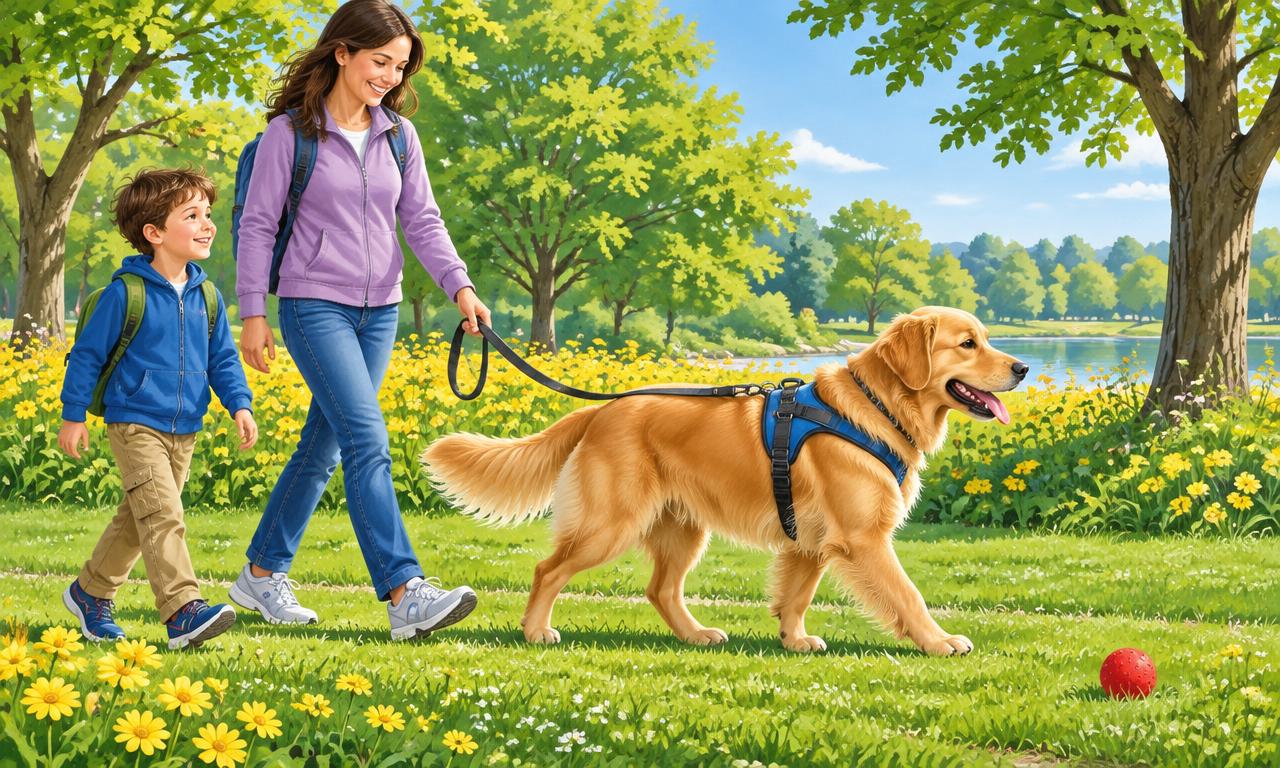
Walking is one of the simplest and most useful ways to exercise a dog.
A walk provides more than physical activity. It also allows the dog to:
-
Explore new smells.
-
See different places.
-
Hear unfamiliar sounds.
-
Meet people and other dogs at a safe distance.
-
Investigate its surroundings.
-
Spend time with its owner.
Dogs experience much of the world through their noses. Allowing a dog time to sniff during a walk provides mental stimulation as well as physical exercise.
A walk does not need to be a race. Letting a dog explore safely can make the experience much more interesting.
Playing Fetch
Many dogs enjoy chasing a ball or toy and bringing it back.
Fetch can be a fun way to encourage running and movement. It is best played in a safe, enclosed area away from traffic.
Use an appropriate toy rather than a small object that could be swallowed.
Some dogs love fetch, while others prefer different games. There is no need to force a dog to play a game it does not enjoy.
Swimming
Some dogs enjoy swimming. It can provide exercise without placing as much weight on their joints as running.
However, not every dog is a natural swimmer. Some breeds have difficulty swimming because of their body shape, short legs, or flat faces.
Always supervise a dog around water. Introduce swimming gradually, use a properly fitted dog life jacket when appropriate, and never force a dog into a pool, lake, or river.
Hiking and Exploring
Many dogs enjoy exploring trails, parks, and natural areas with their owners.
Hiking provides exercise and gives dogs new sights, sounds, and smells to investigate.
Before taking a dog on a long hike, make sure the route is suitable for its fitness and abilities. Bring water, take breaks, and check for hazards such as sharp rocks, hot surfaces, wildlife, and ticks.
Exercise for Puppies and Older Dogs
Puppies have growing bones and joints. They need opportunities to play and explore, but their exercise should be appropriate for their age and development.
Long, exhausting runs and repetitive high-impact activities are not suitable for every growing puppy.
Older dogs may also need modified exercise. They may enjoy shorter walks, gentle play, and more rest between activities.
If a dog has arthritis, heart problems, breathing difficulties, or another medical condition, a veterinarian can recommend an appropriate exercise routine.
4. Keep Your Dog at a Healthy Weight
A healthy weight is important because excess body fat can affect many parts of a dog's body.
Overweight dogs are more likely to develop certain health problems, including:
-
Joint and mobility problems.
-
Diabetes.
-
Heart and breathing difficulties.
-
Reduced ability to exercise.
-
Greater strain on the body.
A dog that is too thin may also have nutritional or medical problems.
You should be able to feel a dog's ribs with gentle pressure, although they should not be sharply visible in a healthy, normally conditioned dog. When viewed from above, many dogs have a noticeable waist behind the ribs. From the side, the abdomen often slopes upward toward the back legs.
These features vary between breeds, so a veterinarian can help assess whether a dog is at a healthy weight.
If a dog needs to lose weight, it is important to make changes gradually. Do not suddenly starve the dog or drastically reduce its food without veterinary guidance.
A healthy weight is not simply about appearance. It helps a dog move comfortably and enjoy a more active life.
5. Take Care of Your Dog's Teeth
Dental health is an important part of keeping a dog healthy.
Dogs can develop plaque, tartar, gum inflammation, infections, and painful dental problems.
Plaque is a sticky layer of bacteria that forms on teeth. If it is not removed, it can harden into tartar. Over time, dental disease can damage the gums and the structures supporting the teeth.
Signs of dental problems may include:
-
Bad breath.
-
Yellow or brown buildup on the teeth.
-
Red or swollen gums.
-
Bleeding from the mouth.
-
Difficulty chewing.
-
Dropping food while eating.
-
Pawing at the face.
-
Avoiding hard food.
Brushing Your Dog's Teeth
Regular brushing is one of the best ways to help prevent dental disease.
Use a toothbrush designed for dogs and toothpaste made specifically for dogs. Human toothpaste should not be used because some ingredients, including certain sweeteners, may be harmful if swallowed.
Introduce tooth brushing gradually. Begin by allowing the dog to investigate the toothbrush and taste a little dog toothpaste. Then gently work toward brushing the outside surfaces of the teeth.
Daily brushing is ideal when a dog will tolerate it.
Dental Chews and Veterinary Care
Some dental chews and specially designed foods can help reduce plaque or tartar. Choose products appropriate for the dog's size and chewing habits.
Dental chews are not a replacement for brushing or professional dental care.
A veterinarian should examine the dog's mouth regularly and recommend a professional dental cleaning when needed.
6. Brush Your Dog's Coat
Brushing keeps a dog's coat clean and helps prevent painful tangles and mats.
Different dogs need different grooming routines.
A short-haired dog may need brushing once or twice a week. A long-haired dog may need brushing every day or several times a week. Dogs with thick double coats may need extra attention during shedding seasons.
Brushing helps:
-
Remove loose hair.
-
Remove dirt and debris.
-
Prevent tangles.
-
Reduce matting.
-
Spread natural skin oils through the coat.
-
Give the owner a chance to notice skin problems.
Some dogs enjoy being brushed, while others need time to become comfortable with it.
Use a brush suitable for the dog's coat type. Brush gently, especially around sensitive areas such as the belly, legs, ears, and tail.
Never pull hard on a tangle. Painful brushing can make a dog frightened of grooming.
If a coat becomes severely matted, a professional groomer or veterinarian may need to help.
7. Bathe Your Dog When Necessary
Dogs do not all need baths at the same frequency.
Some dogs get dirty quickly, while others stay relatively clean. Coat type, skin condition, activity level, and lifestyle all affect bathing needs.
A bath can remove dirt, unpleasant smells, and substances that have collected in the coat.
Use a dog shampoo that is appropriate for the dog's skin. Human shampoo can irritate a dog's skin because it is not designed for the same skin conditions.
During a bath:
-
Use comfortably warm water.
-
Wet the coat gently.
-
Apply dog shampoo according to the instructions.
-
Avoid getting shampoo in the eyes and ears.
-
Rinse thoroughly.
-
Dry the dog with a towel.
-
Keep the dog warm until it is completely dry.
Bathing too frequently or using the wrong products can dry out or irritate the skin.
If a dog has persistent itching, redness, sores, or an unusual smell, a veterinarian should investigate the cause rather than relying on more frequent baths.
8. Keep Your Dog's Nails Trimmed
A dog's nails grow continuously.
If they become too long, they can make walking uncomfortable and may affect the dog's posture and movement.
Long nails may also:
-
Catch on carpets or other surfaces.
-
Break or split.
-
Curl into the paw pads.
-
Cause pain.
-
Make it difficult for the dog to walk normally.
Some dogs naturally wear down their nails through walking on suitable surfaces. Others need regular nail trimming.
Use dog nail clippers or a suitable nail grinder.
Inside each nail is a sensitive area called the quick. It contains blood vessels and nerves. Cutting into the quick can cause pain and bleeding.
If you are unsure how to trim a dog's nails, ask a veterinarian or professional groomer to demonstrate.
9. Check Your Dog's Ears
Dogs' ears can collect dirt, wax, and moisture.
Some dogs are more likely to develop ear infections, particularly those with floppy ears, narrow ear canals, or allergies.
Signs of an ear problem include:
-
Frequent head shaking.
-
Scratching the ears.
-
Redness.
-
Swelling.
-
Unpleasant odour.
-
Discharge.
-
Sensitivity when the ear is touched.
-
Holding the head to one side.
Do not push cotton swabs or other objects deep into a dog's ear canal.
If the ears look dirty, irritated, painful, or smell unusual, contact a veterinarian. The veterinarian can determine whether cleaning is needed and recommend a safe product.
10. Visit the Veterinarian Regularly
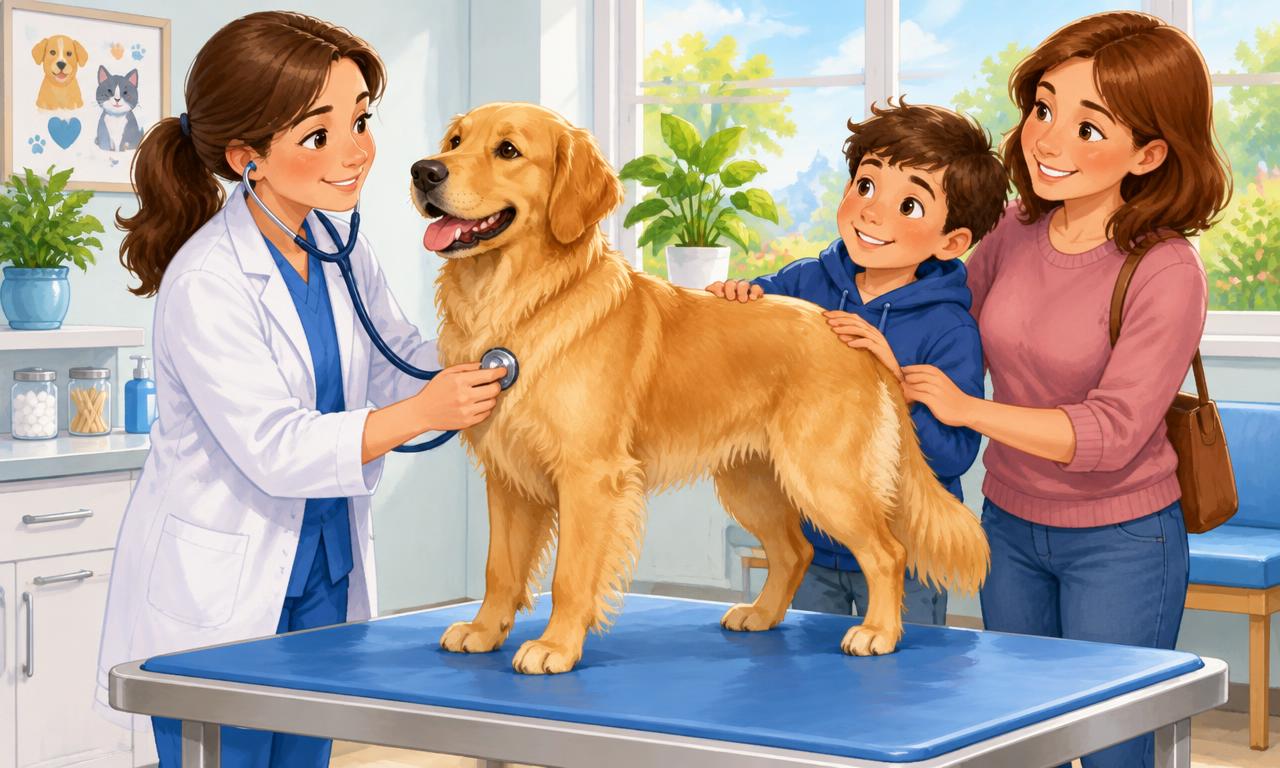
A veterinarian is a doctor who specializes in animal health.
Even when a dog looks healthy, regular veterinary examinations are important. Some health problems develop slowly and may not be obvious at first.
During a routine examination, a veterinarian may:
-
Check the dog's weight.
-
Listen to its heart and lungs.
-
Examine its eyes and ears.
-
Check its teeth and gums.
-
Examine its skin and coat.
-
Assess its joints and movement.
-
Discuss its diet and exercise.
-
Review its vaccination needs.
-
Check for parasites.
-
Recommend screening tests when appropriate.
Puppies generally need more frequent veterinary visits because they require a series of early vaccinations and health checks.
Healthy adult dogs usually need regular checkups, with the schedule based on their age and medical history. Senior dogs may benefit from more frequent examinations.
The veterinarian can create a care plan that suits the individual dog.
11. Make Sure Your Dog Receives Its Vaccinations
Vaccinations help protect dogs from certain infectious diseases.
An infectious disease is an illness caused by organisms such as viruses or bacteria that can spread between animals.
Some diseases can make dogs extremely sick and may even be fatal.
Depending on the dog's location, lifestyle, age, and local regulations, recommended vaccinations may include protection against:
-
Canine distemper.
-
Canine parvovirus.
-
Canine adenovirus.
-
Rabies.
-
Other diseases that may be relevant to the dog's environment.
Puppies usually receive a series of vaccinations because their protection develops over time.
Adult dogs need booster vaccinations according to veterinary recommendations.
Vaccination schedules are not identical for every dog. A veterinarian can explain which vaccines are needed and when they should be given.
12. Protect Your Dog From Fleas, Ticks, and Worms
Dogs can pick up parasites from other animals, soil, grass, contaminated environments, and insect bites.
Parasites are organisms that live on or inside another living creature and obtain nutrients from it.
Some parasites cause irritation, while others can lead to serious health problems.
Fleas
Fleas are tiny insects that live on animals and feed on their blood.
A dog with fleas may scratch, bite, or lick its skin frequently.
Fleas can cause itching, skin irritation, allergic reactions, and, in heavy infestations, blood loss.
Flea prevention products are available in several forms, including topical treatments, tablets, and collars.
Ticks
Ticks are small parasites that attach to an animal's skin and feed on blood.
They may be found in forests, tall grass, shrubs, and other outdoor areas.
Some ticks carry diseases that can affect dogs and people.
After spending time outdoors, check your dog for ticks, especially around the ears, neck, legs, and between the toes.
Use a proper tick-removal tool or follow veterinary instructions. If you are unsure how to remove a tick, ask an adult or veterinarian for help.
Worms
Dogs can become infected with different types of intestinal worms.
Some worms live in the digestive system and may cause diarrhoea, weight loss, a swollen belly, or poor growth.
Heartworms are different. They are transmitted by mosquitoes and can damage the heart and lungs.
Veterinarians can recommend parasite testing and prevention based on where the dog lives and the risks it faces.
Never use a flea, tick, or worm treatment intended for another animal unless a veterinarian confirms that it is safe. Some products made for other species can be dangerous to dogs.
13. Give Your Dog Mental Stimulation
Dogs need to exercise their brains as well as their bodies.
Mental stimulation means giving a dog opportunities to think, explore, learn, and solve simple problems.
A dog that receives plenty of physical exercise but very little mental activity may still become bored.
Bored dogs sometimes develop unwanted behaviours, such as excessive barking, chewing furniture, digging, or constantly demanding attention.
There are many ways to keep a dog's mind active.
Puzzle Toys
Puzzle toys encourage dogs to figure out how to find a treat.
Some toys contain hidden compartments, sliding pieces, or spaces where food can be placed.
The dog must investigate and work out how to reach the reward.
Sniffing Games
Dogs have an extraordinary sense of smell.
You can hide a few small dog treats around a room and encourage the dog to find them.
Begin with easy hiding places, then make the game more challenging as the dog learns.
Always use safe hiding places where the dog cannot swallow household objects.
Training Games
Teaching a dog new skills provides mental exercise.
You can practise commands such as sit, stay, come, down, and leave it.
You can also teach fun tricks, such as spinning, touching a hand with its nose, or finding a named toy.
Exploring New Places
Visiting safe, unfamiliar environments gives a dog new smells and sights to investigate.
A walk through a different neighbourhood, a quiet park, or a suitable trail can be mentally stimulating.
Allow the dog time to sniff and explore without rushing.
14. Teach Your Dog Good Manners
Training is an important part of a dog's health and happiness.
A trained dog can move through everyday life more safely and comfortably.
Training also helps people communicate clearly with their dogs.
Some useful skills include:
-
Sit: The dog places its bottom on the ground.
-
Stay: The dog remains in position until released.
-
Come: The dog returns when called.
-
Down: The dog lies down.
-
Leave it: The dog moves away from something it should not touch.
-
Drop it: The dog releases an object from its mouth.
-
Wait: The dog pauses before moving forward.
Training should be based on positive reinforcement.
Positive reinforcement means rewarding a behaviour that you want the dog to repeat. The reward might be a small treat, praise, a toy, or an opportunity to play.
For example, when a dog sits after being asked, the owner immediately rewards it. Over time, the dog learns that sitting when asked leads to something enjoyable.
Training sessions should be short, positive, and consistent.
Never hit, frighten, or hurt a dog to make it obey. Harsh punishment can damage trust and may create fear or aggression.
15. Help Your Dog Become Comfortable Around People and Other Animals
Dogs need opportunities to learn about the world.
Socialization is the process of helping a dog become comfortable with different people, animals, places, sounds, and experiences.
A well-socialized dog is more likely to cope calmly with everyday situations.
For example, a dog may need to become comfortable with:
-
Children playing nearby.
-
People wearing hats.
-
Visitors arriving at the house.
-
Cars and bicycles.
-
Doorbells and household noises.
-
Veterinary visits.
-
Grooming.
-
Other dogs.
-
Different walking environments.
Puppies have an important early socialization period, but older dogs can continue learning throughout their lives.
Socialization should be gradual and positive. Do not force a frightened dog to approach strangers or other animals.
Some dogs enjoy meeting many other dogs, while others prefer a small number of familiar companions. A dog does not need to play with every dog it sees to be well socialized.
Always supervise interactions and give dogs the opportunity to move away.
16. Give Your Dog Love, Attention, and Companionship
Dogs are social animals. Many form strong relationships with the people who care for them.
They often enjoy being included in family activities, spending time with their owners, and receiving affection.
A dog may show affection by:
-
Sitting beside someone.
-
Leaning against its owner.
-
Bringing a toy.
-
Following a familiar person.
-
Resting near the family.
-
Greeting someone enthusiastically.
-
Nudging a hand for attention.
However, every dog has its own personality.
Some dogs love cuddles and physical affection. Others prefer sitting nearby without being touched constantly.
Pay attention to what your dog enjoys.
A happy relationship is built on trust. Dogs should never be forced to accept hugs, handling, or attention when they are uncomfortable.
17. Make Sure Your Dog Gets Enough Sleep
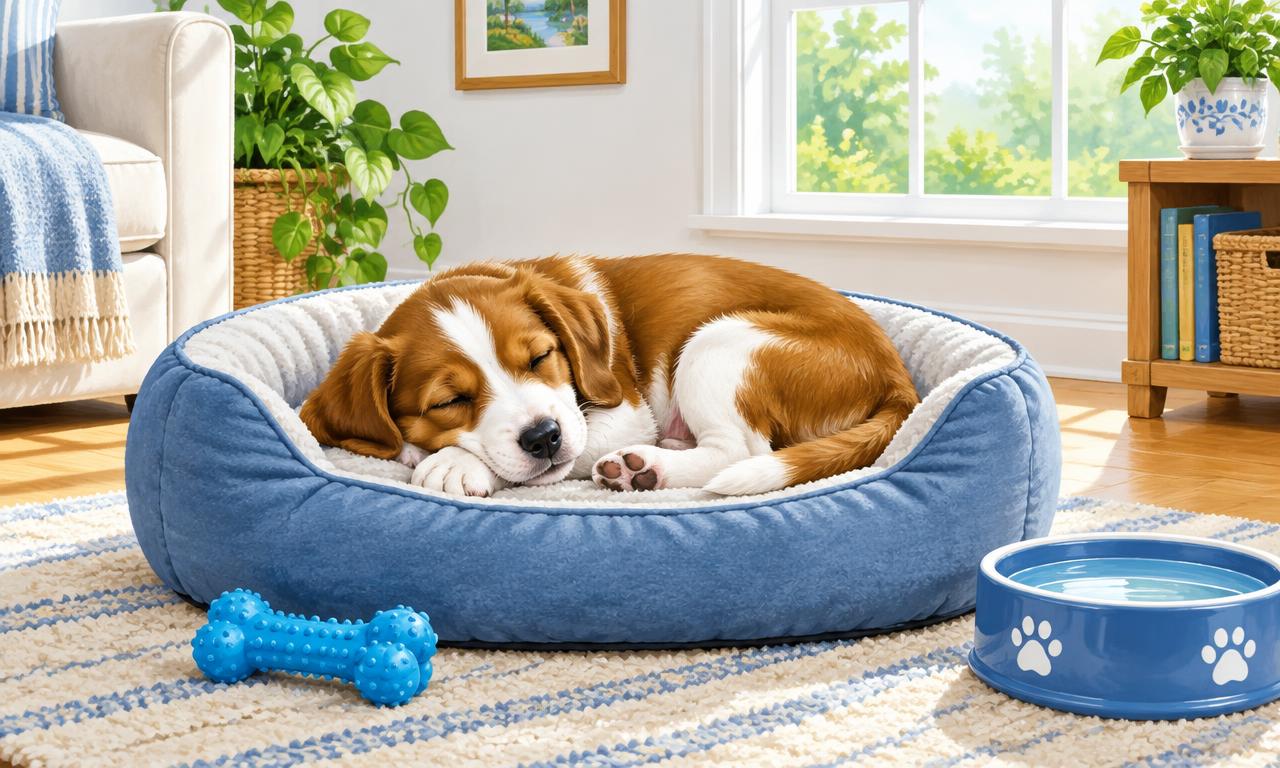
Sleep is essential for a dog's physical and mental health.
Dogs need time to rest and recover from exercise, learning, and everyday activities.
The amount of sleep varies according to age, health, breed, and activity level.
Puppies often sleep for much of the day because their bodies and brains are developing. Adult dogs generally sleep and rest for many hours throughout a 24-hour period. Senior dogs may also need extra rest.
A dog should have a comfortable place where it can sleep without being disturbed.
This might be:
-
A dog bed.
-
A soft blanket.
-
A quiet corner.
-
A suitable crate with the door open or used appropriately.
-
A designated resting area.
Children should learn never to wake a sleeping dog suddenly. A startled dog may react defensively, even if it is normally friendly.
Allow the dog to wake naturally and approach people when it is ready.
18. Give Your Dog a Safe and Comfortable Home
A dog's home should protect it from danger and provide a comfortable place to live.
Dogs need shelter from rain, snow, wind, extreme heat, and cold.
If a dog spends time outdoors, it must have appropriate protection, shade, clean water, and a safe enclosure. Dogs should not be left outside in dangerous weather conditions.
Inside the home, remove hazards such as:
-
Cleaning products.
-
Medications.
-
Chocolate and other dangerous foods.
-
Electrical cords.
-
Small objects that can be swallowed.
-
Toxic plants.
-
Sharp tools.
-
Household chemicals.
Garbage should be secured so that a curious dog cannot eat spoiled food, bones, wrappers, or dangerous substances.
A fenced yard can provide a safe place to play, but fences should be secure and appropriate for the size and abilities of the dog.
Dogs should never be left unattended in vehicles. Even when the weather feels mild, the temperature inside a parked vehicle can become dangerous.
19. Protect Your Dog From Hot Weather
Dogs can overheat, especially during hot and humid weather.
Unlike people, dogs do not cool themselves mainly by sweating through their skin. They rely heavily on panting.
If a dog becomes too hot, it can develop heatstroke, a serious medical emergency.
Warning signs include:
-
Heavy or excessive panting.
-
Excessive drooling.
-
Weakness.
-
Vomiting.
-
Difficulty walking.
-
Confusion.
-
Collapse.
In hot weather:
-
Walk your dog during cooler parts of the day.
-
Provide plenty of fresh water.
-
Make sure there is shade.
-
Avoid strenuous exercise during extreme heat.
-
Check pavement before walking.
-
Never leave the dog in a parked car.
Pavement can become much hotter than the surrounding air and may burn a dog's paw pads.
If a dog shows signs of heatstroke, move it to a cooler place and contact an emergency veterinarian immediately. Begin gentle cooling with cool, not ice-cold, water while arranging veterinary care. Do not delay getting professional help.
20. Protect Your Dog From Cold Weather
Dogs can also become too cold.
Some breeds have thick coats that help them tolerate cold temperatures, while others have short coats and little body fat.
Puppies, senior dogs, small dogs, and dogs with certain health conditions may be especially sensitive to cold weather.
Signs that a dog may be too cold include:
-
Shivering.
-
Lifting its paws.
-
Hunching its body.
-
Trying to find shelter.
-
Becoming unusually quiet.
-
Moving slowly.
During cold weather:
-
Keep walks suitable for the dog's size and coat.
-
Consider a properly fitted dog coat when needed.
-
Dry the dog if it becomes wet.
-
Provide a warm, dry place indoors.
-
Protect its paws from ice, salt, and other road treatments.
If a dog appears weak, confused, or unable to warm up, contact a veterinarian.
21. Keep Your Dog's Toys and Belongings Safe
Toys help dogs play, explore, chew, and stay mentally active.
However, toys must be appropriate for the dog's size and chewing habits.
A toy that is too small may be swallowed. A toy that breaks into sharp pieces can injure the mouth or digestive system.
Check toys regularly for damage.
Replace toys that have:
-
Loose parts.
-
Sharp edges.
-
Broken plastic.
-
Exposed stuffing.
-
Pieces that can be swallowed.
-
Damaged squeakers.
Some dogs are gentle with toys, while others are powerful chewers. Choose toys designed for the dog's chewing strength.
Supervise dogs when they use unfamiliar toys or chews.
22. Pay Attention to Changes in Your Dog's Behaviour
One of the best ways to protect a dog's health is to become familiar with its normal behaviour.
You know how your dog usually eats, drinks, sleeps, walks, plays, and behaves around people.
When something changes, it may be a sign that the dog is unwell.
Watch for changes such as:
-
Refusing food.
-
Drinking much more or less than usual.
-
Sleeping far more than normal.
-
Unusual aggression or withdrawal.
-
Repeated vomiting.
-
Diarrhoea.
-
Persistent coughing.
-
Difficulty breathing.
-
Limping.
-
Excessive scratching.
-
Sudden weight changes.
-
Difficulty getting up.
-
Unusual lumps or swelling.
Some symptoms require immediate veterinary attention.
Difficulty breathing, collapse, seizures, severe bleeding, suspected poisoning, and signs of heatstroke are examples of emergencies.
Do not assume that a dog is simply getting older or having a bad day when a major change occurs. An adult should contact a veterinarian.
23. Make Sure Your Dog Has a Healthy Social Life
Dogs need different kinds of social experiences.
Some enjoy playing with other dogs. Others prefer spending time with people or quietly exploring their surroundings.
The goal is not to make every dog the most outgoing dog in the neighbourhood. The goal is to help it feel safe and comfortable.
A healthy social life might include:
-
Spending time with family members.
-
Playing with familiar dogs.
-
Going for walks.
-
Visiting suitable parks.
-
Learning alongside its owner.
-
Meeting new people gradually.
-
Participating in supervised activities.
Dog parks are not suitable for every dog. Some dogs become overwhelmed by large groups of unfamiliar animals.
If a dog seems frightened, hides, tries to escape, or becomes tense around other dogs, it may be happier with quieter activities.
24. Give Your Dog a Routine
Dogs often feel more comfortable when they know what to expect.
A daily routine can include regular times for meals, walks, play, training, rest, and bathroom breaks.
For example, a dog's day might look like this:
Morning: Wake up, go outside, eat breakfast, and enjoy a walk.
Late morning: Rest, play with a safe toy, or spend time with family.
Afternoon: Go outside again, enjoy some exercise, and practise a few training skills.
Evening: Eat dinner, spend time with the family, and relax.
Night: Go outside for a final bathroom break and settle down for sleep.
The exact schedule will depend on the dog's needs and the family's lifestyle.
A routine also makes it easier to notice when something changes. If a dog suddenly stops enjoying its usual walk or refuses its regular meal, the owner may recognize that something is wrong.
25. Understand That Different Dogs Have Different Needs
There is no single perfect routine for every dog.
A young, energetic dog may need several opportunities for exercise and play each day. An older dog with arthritis may need shorter walks and more comfortable resting places.
A working breed may enjoy learning challenging tasks, while a companion breed may be happiest with gentle walks and plenty of family time.
Some dogs enjoy swimming, while others prefer sniffing games. Some love meeting new dogs, while others are more comfortable with familiar companions.
Good dog care means understanding the individual animal rather than expecting every dog to behave the same way.
A veterinarian can help owners create a suitable plan for food, exercise, grooming, preventive care, and medical needs.
Conclusion: A Healthy Dog Is a Well-Cared-For Dog
Keeping a dog healthy and happy is a responsibility that continues every day.
Dogs need nutritious food, clean water, regular exercise, grooming, dental care, veterinary checkups, vaccinations, parasite prevention, mental stimulation, sleep, training, and companionship.
They also need people who notice when they are uncomfortable, frightened, sick, or simply in need of rest.
A dog does not need an enormous house, expensive toys, or constant entertainment to have a wonderful life. It needs a safe home, consistent care, opportunities to explore, and people who treat it with patience and kindness.
The best dog owners understand that caring for a dog means looking after its whole well-being, not just keeping it fed.
A healthy and happy dog is one that feels safe, receives proper care, has opportunities to enjoy life, and knows it can trust the people around it.