What Foods Can Dogs Eat and What Foods Are Dangerous?
1. Why Can't Dogs Eat Everything People Eat?
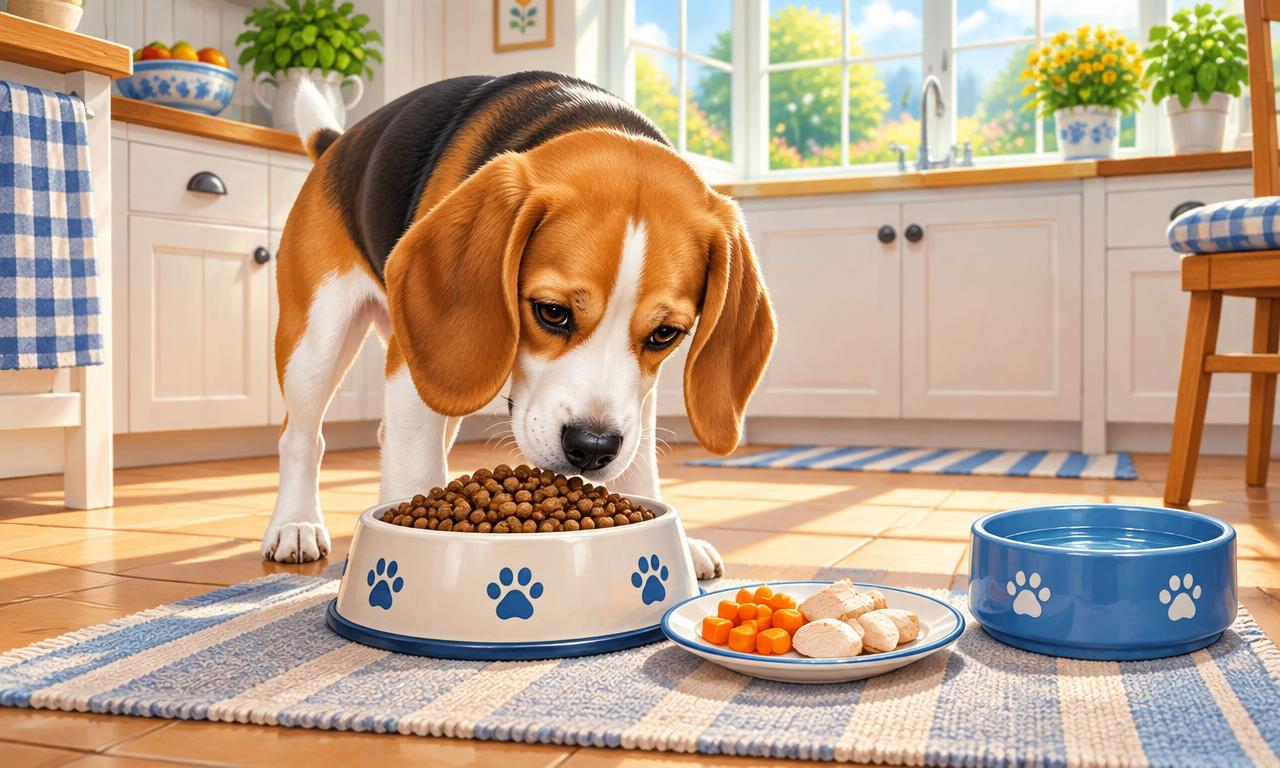
Dogs and humans have some things in common. We both need food to give us energy, help our bodies grow, and keep us healthy. We also enjoy many of the same flavours.
However, a dog's body does not process every food in the same way a human body does. Some ingredients that are harmless to people can be poisonous to dogs.
For example, people can enjoy chocolate, grapes, raisins, and onions without usually becoming sick from ordinary amounts. For dogs, these foods can cause serious health problems.
A dog's size also matters. A small dog may become sick after eating an amount of a dangerous food that would be less likely to affect a much larger dog. Even a small amount of certain poisonous foods can be dangerous.
Dogs also have different nutritional needs from people. They need a balanced diet containing the right amounts of protein, fat, carbohydrates, vitamins, minerals, and water. Giving a dog too many treats or too much human food can upset that balance.
The safest everyday diet for a dog is a complete and balanced dog food appropriate for its age, size, and health. Some ordinary human foods can be offered as occasional treats, but they should never replace a dog's regular meals.
2. What Fruits Can Dogs Eat?
Many fruits are safe for dogs. They can provide water, fibre, and vitamins. However, fruit contains natural sugar, so it should be offered in small portions.
Always wash fruit before serving it. Remove pits, seeds, stems, leaves, and tough skins when necessary. Cut fruit into small pieces to reduce the risk of choking.
Apples
Dogs can eat apple flesh. Apples contain fibre and vitamins and make a crunchy treat.
Before giving an apple to a dog, remove the core and seeds. Apple seeds contain small amounts of compounds that can release cyanide when crushed or digested. A few accidentally swallowed seeds are not usually a reason to panic, but dogs should not be deliberately fed them.
Bananas
Bananas are safe for most dogs in small amounts. They contain potassium and fibre.
However, bananas are relatively high in natural sugar. A few small pieces are usually enough for a treat. A whole banana may be too much for a small dog.
Blueberries
Blueberries are a convenient treat for many dogs. They contain fibre and antioxidants, which are substances that help protect cells from certain types of damage.
They are small and soft, making them easy to serve. For very small dogs, they can still be cut or mashed if needed.
Strawberries
Dogs can eat strawberries after they have been washed and their green tops removed.
Strawberries contain fibre and vitamin C. They also contain natural sugar, so they should be given in moderation.
Watermelon
Watermelon can be a refreshing treat, especially on a warm day. It contains a lot of water.
Remove the seeds and rind before giving watermelon to a dog. The hard rind is difficult to digest and may cause stomach problems or an intestinal blockage.
Cantaloupe
Cantaloupe is safe for most dogs when the rind and seeds are removed. It is soft, juicy, and contains vitamins.
Because it contains natural sugar, serve only a few small pieces.
Pears
Dogs can eat small pieces of ripe pear. Remove the seeds and core first.
Pear seeds should not be included in a dog's food, and large chunks can be a choking hazard.
Pineapple
Fresh pineapple can be given to dogs in small pieces. Remove the tough outer skin and hard centre.
Avoid canned pineapple packed in syrup because it contains extra sugar.
Mango
Dogs can eat the soft flesh of mango. Remove the large pit and peel the fruit before serving it.
The pit can cause choking or an intestinal blockage. It should never be left where a dog can chew on it.
Other Fruits
Some other fruits that dogs can generally eat in small amounts include:
-
Raspberries
-
Blackberries
-
Cranberries
-
Peaches without the pit
-
Nectarines without the pit
-
Kiwi without the skin
-
Oranges without the peel and seeds
Not every dog enjoys fruit, and some dogs may develop an upset stomach after eating it. Introduce one new food at a time and begin with a small amount.
3. What Fruits Must Dogs Never Eat?
Some fruits are particularly dangerous for dogs. Two of the most important examples are grapes and raisins.
Grapes
Grapes are poisonous to dogs. They can cause sudden kidney damage, which can prevent the kidneys from properly cleaning waste from the blood.
Scientists have not established a reliably safe amount. Some dogs have become seriously ill after eating only a small number of grapes, while other dogs may appear unaffected after eating more.
Never give a dog green grapes, red grapes, purple grapes, or grapes of any other variety.
Raisins
Raisins are dried grapes. They are also poisonous to dogs.
Because raisins are smaller and more concentrated than grapes, it can be easy for a dog to swallow several without anyone noticing. Raisins may be found in cookies, muffins, breads, cereals, and snack mixes.
A dog should never be given raisin bread or food containing raisins.
Currants
Certain dried currants, such as Zante currants, are actually small dried grapes and can also cause kidney damage. They should be treated as dangerous.
Fruit Pits and Seeds
Even when the flesh of a fruit is safe, its pit or seeds may not be.
For example, cherry pits, peach pits, and plum pits can cause choking or intestinal blockages. Some fruit pits and seeds also contain substances that can release cyanide.
The safest rule is to remove pits, seeds, and hard cores before offering fruit.
4. What Vegetables Can Dogs Eat?
Many vegetables are safe for dogs. They can provide fibre, vitamins, and minerals while adding variety to a dog's treats.
Vegetables should be washed and prepared properly. Cut them into manageable pieces, especially for small dogs.
Carrots
Carrots are a popular dog treat. Dogs can eat them raw or cooked.
Raw carrots provide a crunchy texture that some dogs enjoy. Cooked carrots are softer and may be easier for older dogs to chew.
Carrots contain beta-carotene, which the body can use to make vitamin A.
Green Beans
Plain green beans are safe for most dogs. They can be served raw, steamed, or boiled.
Do not add butter, salt, garlic, or seasoning. Canned green beans should be plain and preferably low in sodium.
Cucumbers
Cucumbers are mostly water and make a light, crunchy treat. They can be useful as a low-calorie snack.
Wash them and cut them into small pieces.
Broccoli
Dogs can eat small amounts of plain broccoli, either raw or cooked.
However, too much broccoli may cause gas or stomach irritation. It should only make up a small part of a dog's diet.
Pumpkin
Plain, cooked pumpkin can be helpful for some dogs because it contains fibre.
Some veterinarians recommend pumpkin as part of a plan for certain mild digestive problems. However, pumpkin is not a cure for every stomach problem.
Use plain cooked pumpkin or canned pumpkin that contains only pumpkin. Do not use pumpkin pie filling, which may contain sugar, spices, and other ingredients.
Sweet Potatoes
Plain cooked sweet potatoes are safe for most dogs. They contain fibre and vitamins.
They should be cooked until soft and served without butter, salt, sugar, or seasoning. Never give dogs raw sweet potatoes in large, hard chunks.
Peas
Dogs can eat plain peas, including green peas and snow peas. They provide fibre and some vitamins.
Avoid peas prepared with butter, salt, onion, or garlic.
Other Vegetables
Other vegetables that dogs can generally eat in small amounts include:
-
Zucchini
-
Celery
-
Lettuce
-
Spinach
-
Cauliflower
-
Bell peppers
-
Plain cooked potatoes
-
Plain cooked squash
Some vegetables are more nutritious than others, but no vegetable is necessary if a dog is already eating a complete and balanced diet.
5. What Vegetables Are Dangerous for Dogs?
Not all vegetables are safe. Some can cause digestive problems, damage red blood cells, or contain substances that are poisonous to dogs.
Onions
Onions are dangerous for dogs in raw, cooked, dried, and powdered forms.
They contain compounds that can damage a dog's red blood cells. Red blood cells carry oxygen throughout the body.
When enough red blood cells are damaged, a dog can develop a condition called hemolytic anemia. This means the dog's blood cannot carry oxygen as effectively as it should.
Onions may be found in:
-
Soup
-
Gravy
-
Pasta sauce
-
Pizza
-
Casseroles
-
Burgers
-
Seasoning mixtures
-
Leftover cooked meals
Onion powder is especially easy to overlook because it is often mixed into other ingredients.
Garlic
Garlic belongs to the same plant family as onions. It can also damage a dog's red blood cells.
Garlic is sometimes included in sauces, marinades, meat seasonings, and prepared foods.
Do not give dogs garlic as a home remedy or food supplement.
Leeks and Chives
Leeks and chives are also members of the onion family. They can cause similar problems and should not be fed to dogs.
Wild Mushrooms
Some mushrooms are poisonous, and it can be difficult to identify them safely.
A dog that eats a wild mushroom may develop vomiting, diarrhoea, weakness, tremors, seizures, or other serious symptoms, depending on the type.
Never allow a dog to eat mushrooms growing in the yard, garden, forest, or park. If a dog eats an unknown mushroom, contact a veterinarian immediately.
Plain mushrooms sold for human consumption are not generally considered poisonous to dogs, but they are unnecessary and should be served only if plain and properly prepared.
6. Can Dogs Eat Meat?
Dogs are able to eat many kinds of meat. Meat provides protein, which helps build and repair muscles and supports the body's tissues.
However, the way meat is prepared is very important.
Chicken
Plain, fully cooked chicken is safe for most dogs.
Remove all bones, skin, and excess fat. Chicken should not contain garlic, onion, heavy seasoning, or sauces.
Chicken is commonly used in dog foods and some veterinary diets.
Turkey
Plain cooked turkey can also be offered to dogs.
Remove the bones and skin. Avoid turkey covered in gravy, butter, salt, garlic, onion, or stuffing.
Turkey bones can break into sharp pieces and cause serious injuries.
Beef
Plain, lean, fully cooked beef is generally safe for dogs.
Remove bones and excess fat. Avoid burgers, sausages, meatballs, and other prepared meats that contain onion, garlic, salt, or spices.
Pork
Plain, fully cooked pork can be eaten by dogs in small amounts.
It should be lean and unseasoned. Avoid fatty pork, bacon, ham, and heavily processed pork products.
Raw or undercooked pork can carry harmful parasites or bacteria.
Fish
Some fish can be a healthy source of protein and omega-3 fatty acids.
Dogs can eat certain types of fish, such as salmon, when it is fully cooked, plain, and completely free of bones.
Fish bones can become lodged in a dog's mouth or throat, or injure the digestive system.
Never serve raw salmon to a dog. Raw or undercooked salmon can carry parasites and bacteria that may cause serious illness.
Eggs
Dogs can eat fully cooked eggs. They provide protein and other nutrients.
Eggs should be boiled or cooked without butter, oil, salt, or seasoning.
Do not give dogs raw eggs as a regular food. Raw eggs can carry bacteria such as Salmonella, and feeding raw egg whites frequently can interfere with the use of a vitamin called biotin.
7. What Meat and Animal Products Should Dogs Avoid?
Some animal products are unsafe because of their preparation, fat content, bones, or risk of contamination.
Cooked Bones
Cooked chicken, turkey, pork, and beef bones should never be given to dogs.
Cooking makes bones more likely to splinter. Sharp pieces can cut the mouth, throat, stomach, or intestines.
Bones can also become lodged in the digestive tract and cause a dangerous blockage.
Raw Meat
Raw meat can contain harmful bacteria and parasites, including Salmonella and certain types of E. coli.
These organisms can make dogs sick and can also spread through the dog's saliva, faeces, food bowls, and surrounding surfaces.
A raw diet is not automatically safer or healthier than a properly formulated commercial diet. Anyone considering a raw feeding plan should discuss it with a veterinarian or a veterinary nutrition specialist.
Fatty Meat and Meat Trimmings
Large amounts of fat can upset a dog's digestive system and may contribute to pancreatitis.
Pancreatitis is inflammation of the pancreas, an organ that helps digest food and regulate blood sugar.
Symptoms may include vomiting, abdominal pain, weakness, and loss of appetite.
Processed Meats
Bacon, ham, hot dogs, sausages, pepperoni, and deli meats are often high in salt and fat.
They may also contain onion, garlic, spices, preservatives, and other ingredients that are unsuitable for dogs.
A tiny accidental taste is not necessarily an emergency, but these foods should not be regular dog treats.
8. Can Dogs Eat Dairy Products?
Some dogs can eat small amounts of certain dairy products, but others cannot digest them comfortably.
Milk and dairy products contain lactose, a natural sugar. Many adult dogs produce less lactase, the enzyme needed to break down lactose.
As a result, dairy products can cause:
-
Diarrhoea
-
Gas
-
Bloating
-
Stomach discomfort
-
Vomiting
Cheese
Small pieces of plain cheese may be tolerated by some dogs.
However, cheese can contain considerable amounts of fat and salt. It should only be offered occasionally and in small portions.
Avoid cheese containing garlic, onion, herbs, or other unsafe ingredients.
Plain Yogurt
Some dogs can tolerate a small amount of plain, unsweetened yogurt.
Choose yogurt without added sugar, artificial sweeteners, chocolate, fruit preparations, or flavourings.
Check the ingredients carefully for xylitol, which is extremely dangerous to dogs.
Milk
Milk is not poisonous to dogs, but many dogs have trouble digesting it.
It is not necessary to give dogs milk. Fresh, clean water is the best everyday drink.
Ice Cream
Regular ice cream is not a good treat for dogs. It can contain large amounts of sugar and fat, and some dogs cannot digest the lactose.
Certain flavours may also contain chocolate, coffee, raisins, macadamia nuts, or other dangerous ingredients.
9. What Foods Are Extremely Dangerous for Dogs?
Some foods should never be given to dogs. They can cause serious poisoning, even when eaten in relatively small quantities.
Chocolate
Chocolate is poisonous to dogs because it contains substances called theobromine and caffeine.
Dogs break down these substances much more slowly than humans do. As a result, they can build up in a dog's body and affect the heart, nervous system, and other organs.
Different types of chocolate contain different amounts of these substances.
In general:
-
Cocoa powder is very dangerous.
-
Baking chocolate is very dangerous.
-
Dark chocolate is dangerous.
-
Milk chocolate is also dangerous.
-
White chocolate contains much less theobromine, but it is still not an appropriate dog treat because of its fat and sugar content.
Possible signs of chocolate poisoning include vomiting, diarrhoea, restlessness, rapid breathing, a racing heart, tremors, and seizures.
The danger depends on the dog's size, the type of chocolate, and how much was eaten.
Never assume that a dog is safe simply because it ate only a small piece.
Xylitol
Xylitol is a sweetener used in some sugar-free products.
It is extremely dangerous to dogs because it can cause a sudden release of insulin. Insulin is a hormone that controls blood sugar.
When too much insulin is released, a dog's blood sugar can fall dangerously low. This is called hypoglycemia.
Xylitol can also cause serious liver damage.
It may be found in:
-
Sugar-free gum
-
Sugar-free candies
-
Some mints
-
Certain baked goods
-
Some peanut butters
-
Some toothpaste and oral-care products
-
Some medications and supplements
Always check the ingredient label before giving a dog peanut butter or another packaged treat.
Xylitol poisoning can develop quickly. A dog that has eaten xylitol needs immediate veterinary attention, even if it appears normal.
Grapes and Raisins
As discussed earlier, grapes and raisins can cause kidney damage. There is no reliably safe amount.
Alcohol
Dogs must never be given alcoholic drinks.
Alcohol can cause vomiting, poor coordination, abnormal breathing, low blood sugar, low body temperature, and even coma.
Dogs are much smaller than humans, so even a small amount can be dangerous.
Alcohol may also be present in foods such as rum cake, certain desserts, fermented dough, and some sauces.
Coffee and Caffeine
Coffee, tea, energy drinks, and caffeine tablets can poison dogs.
Caffeine affects the nervous system and heart. It can cause restlessness, rapid heartbeat, vomiting, tremors, and seizures.
Coffee grounds and used tea bags should also be kept away from dogs.
Macadamia Nuts
Macadamia nuts are poisonous to dogs.
They can cause weakness, vomiting, tremors, fever, and difficulty walking.
The exact reason these nuts cause illness in dogs is not fully understood.
Certain Other Nuts
Many nuts are not suitable dog treats because they contain a lot of fat and may be salted or coated in flavourings.
Walnuts can also be dangerous, especially if they are mouldy. Mould can produce toxins that affect the nervous system.
Avoid giving dogs mixed nuts, flavoured nuts, and nuts that may contain chocolate or other unsafe ingredients.
10. Are Bread, Pasta, Rice, and Potatoes Safe?
Some ordinary carbohydrate foods can be eaten by dogs in small amounts, provided they are prepared simply.
Plain Bread
A small piece of plain, fully baked bread is generally safe for most dogs.
However, bread provides little nutritional benefit for dogs and should not replace balanced dog food.
Never give dogs raw bread dough. Yeast in the dough can continue to expand inside the stomach, causing painful bloating. Fermentation can also produce alcohol, which can poison the dog.
Plain Rice
Cooked white or brown rice is generally safe for dogs.
Plain rice is sometimes included in veterinary feeding plans for dogs with certain digestive problems. However, a dog with repeated vomiting or diarrhoea should be assessed by a veterinarian rather than treated with rice alone.
Plain Pasta
Fully cooked pasta without sauce or seasoning is generally safe in small amounts.
Pasta is not especially nutritious for dogs, and sauces may contain onion, garlic, cheese, or other unsuitable ingredients.
Potatoes
Plain potatoes that have been fully cooked can be eaten in small amounts.
Do not give dogs raw potatoes or green potatoes. Green potatoes and potato sprouts can contain higher levels of a natural toxin called solanine.
Avoid french fries, potato chips, and heavily seasoned potatoes because they contain too much salt, fat, or flavouring.
11. Can Dogs Eat Peanut Butter?
Many dogs enjoy peanut butter, and it can be used as an occasional treat or to encourage a dog to lick a food toy.
However, not all peanut butter is safe.
Some brands contain xylitol, a sweetener that can be deadly to dogs.
Before giving peanut butter to a dog:
-
Read the ingredient list.
-
Make sure it does not contain xylitol.
-
Choose a variety without added chocolate or other unsafe ingredients.
-
Offer only a small amount.
-
Remember that peanut butter is high in fat and calories.
Plain peanut butter without xylitol can be suitable for many dogs, but it should not become a large part of their diet.
12. What About Dog Treats?
Dog treats are made specifically for dogs, but that does not mean a dog can eat unlimited amounts.
Treats should be given in moderation. A commonly recommended guideline is that treats and other extras should make up no more than about 10% of a dog's daily calories. The remaining calories should come from a complete and balanced diet.
There are many kinds of dog treats:
-
Crunchy biscuits
-
Soft training treats
-
Dental chews
-
Freeze-dried meat treats
-
Dehydrated treats
-
Long-lasting chews
-
Treats designed for puppies or older dogs
Choose treats that are appropriate for the dog's size and age.
A tiny training treat may be suitable for a small dog, while a large chew could be a choking hazard. Always supervise dogs when they are chewing.
13. How Much Human Food Can a Dog Eat?
Even safe foods can cause problems when dogs eat too much.
A dog that eats a large amount of fruit may develop diarrhoea. A dog that eats too much cheese may experience stomach pain. A dog that eats a large quantity of fatty meat may develop pancreatitis.
The amount of food also depends on the dog's size.
For example, a small piece of apple might be a reasonable treat for a large dog, but a whole apple could be too much for a tiny dog.
A good approach is to:
-
Offer very small portions.
-
Introduce only one new food at a time.
-
Avoid giving human food every time the dog begs.
-
Count treats as part of the dog's daily food intake.
-
Stop offering a food if it causes digestive problems.
Remember that dogs do not need human food to be happy or healthy. A balanced dog food provides the nutrients they need.
14. What Should You Do If Your Dog Eats Something Dangerous?
Dogs are curious. They may steal food from a kitchen counter, eat something from the garbage, or find a snack that has fallen onto the floor.
Sometimes an owner does not even see the dog eat the food.
If you think your dog has eaten something poisonous, act quickly.
Step 1: Remove the Food
Take away any remaining food so the dog cannot eat more.
If possible, keep the packaging or ingredient label. This can help the veterinarian identify exactly what the dog swallowed.
Step 2: Identify What Was Eaten
Try to determine:
-
What food did the dog eat?
-
How much might it have eaten?
-
When did it happen?
-
How much does the dog weigh?
-
Is the dog showing any symptoms?
Even an estimate can help the veterinarian decide what to do.
Step 3: Contact a Veterinarian Immediately
Do not wait for the dog to become sick if it has eaten a known poisonous food.
Some dangerous substances cause symptoms quickly. Others may cause damage before the dog looks unwell.
Contact your veterinarian or an emergency veterinary clinic. In Canada, you can also contact an animal poison-control service if available.
Step 4: Do Not Try Home Remedies
Never try to make a dog vomit unless a veterinarian specifically tells you to do so.
Do not give salt, milk, oil, or other home remedies. These treatments can make the situation worse.
A veterinarian will decide whether the dog needs treatment, observation, or emergency care.
15. What Are the Signs of Food Poisoning in Dogs?
The symptoms depend on what the dog ate, how much it swallowed, and how its body reacts.
Possible warning signs include:
-
Vomiting
-
Diarrhoea
-
Excessive drooling
-
Loss of appetite
-
Weakness
-
Unusual tiredness
-
Restlessness
-
Shaking or tremors
-
Difficulty walking
-
Excessive thirst
-
Rapid breathing
-
Seizures
-
Collapse
Some poisons affect the stomach. Others affect the heart, brain, liver, kidneys, or blood.
A dog may appear completely normal at first. That does not mean it is safe.
If you suspect poisoning, contact a veterinarian immediately rather than waiting for symptoms.
16. How Can You Prevent Your Dog from Eating Dangerous Foods?
Preventing an accident is much easier than treating poisoning.
Dogs should be taught not to take food from counters, tables, garbage cans, or other people's plates.
Here are some useful safety habits:
Keep food out of reach. Store chocolate, raisins, grapes, nuts, and other dangerous foods in closed cupboards or containers.
Secure the garbage. Dogs can easily find dangerous leftovers, bones, food wrappers, and spoiled food in an open garbage can.
Check ingredient labels. Read labels on peanut butter, baked goods, candies, and other packaged foods. Look for xylitol and other unsafe ingredients.
Be careful during celebrations. Birthday parties, holidays, and family gatherings often involve chocolate, desserts, fatty foods, and leftovers. These foods should be kept away from dogs.
Tell visitors the rules. Friends and family members may not know which foods are dangerous. Ask them not to feed the dog without permission.
Teach the command "Leave it." This teaches a dog to move away from something it should not eat.
Supervise children. Young children may accidentally drop food or offer a dog something unsafe. Teach them to ask an adult before sharing food with a pet.
17. A Simple Guide to Safe and Dangerous Foods
The following table provides a quick reference. It is not a complete list of every food that may be unsafe.
| Food | Generally safe for dogs? |
| Apples without seeds or core | Yes, small amounts |
| Bananas | Yes, small amounts |
| Blueberries | Yes |
| Strawberries | Yes |
| Watermelon without seeds or rind | Yes |
| Carrots | Yes |
| Green beans | Yes, plain |
| Cucumbers | Yes |
| Plain pumpkin | Yes |
| Plain cooked chicken | Yes, boneless |
| Plain cooked turkey | Yes, boneless |
| Plain cooked beef | Yes, lean |
| Fully cooked eggs | Yes |
| Plain cooked fish | Yes, boneless |
| Plain rice | Yes |
| Plain cooked pasta | Yes, small amounts |
| Plain peanut butter | Yes, if it contains no xylitol |
| Grapes | No — poisonous |
| Raisins | No — poisonous |
| Chocolate | No — poisonous |
| Onions | No — dangerous |
| Garlic | No — dangerous |
| Chives and leeks | No — dangerous |
| Xylitol | No — extremely dangerous |
| Alcohol | No — poisonous |
| Coffee and caffeine | No — poisonous |
| Macadamia nuts | No — poisonous |
| Cooked bones | No — dangerous |
| Raw bread dough | No — dangerous |
18. Every Dog Is Different
A food that one dog can tolerate may upset another dog's stomach.
Puppies, senior dogs, and dogs with health conditions may need special diets. Some dogs have food allergies or sensitivities. Others may need to avoid certain ingredients because of problems involving their kidneys, liver, pancreas, or digestive system.
For example, a dog with a sensitive stomach may not tolerate dairy products, even if another dog can eat a little cheese without a problem.
A veterinarian can help determine which foods are appropriate for an individual dog.
It is also important to remember that a food being safe does not automatically make it healthy in unlimited amounts. Even nutritious foods can contribute to weight gain or digestive problems when dogs eat too much.
Conclusion: Being Careful Keeps Dogs Healthy
Dogs depend on people to make safe food choices for them. They cannot read ingredient labels, understand which foods are poisonous, or recognize when a snack might hurt them.
A responsible dog owner knows that grapes, raisins, chocolate, onions, garlic, xylitol, alcohol, and caffeine must be kept away from dogs. They also know that plain foods such as carrots, apples, blueberries, green beans, and cooked chicken can sometimes be offered as small treats.
The most important rule is simple: When you are not sure whether a food is safe for a dog, do not give it to the dog until you have checked with a veterinarian.
A healthy dog does not need to eat everything its human family eats. It needs nutritious dog food, fresh water, appropriate treats, exercise, and people who look after it carefully.