How Do You Understand What a Dog Is Telling You?
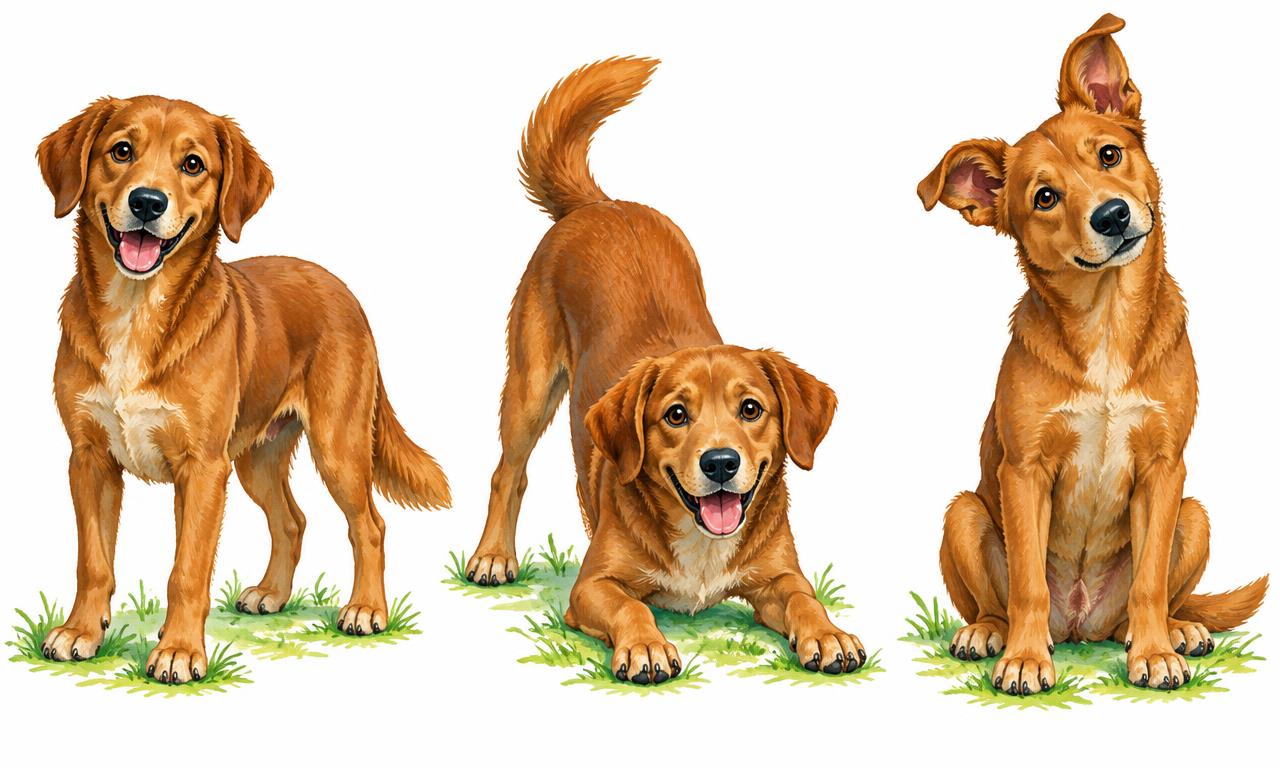
1. Dogs Communicate Without Words
Imagine that a friend walks into a room, crosses their arms, looks down at the floor, and moves away from everyone. Even without saying anything, you might guess that the person is uncomfortable or does not feel like talking.
Dogs communicate in a similar way. They cannot explain their feelings with words, but they use their bodies to send messages.
Dogs communicate through several different methods:
-
Body language: How they stand, sit, lie down, or move.
-
Tail movements: How high their tail is, how quickly it moves, and whether it is relaxed or stiff.
-
Ear movements: Whether their ears are forward, relaxed, flattened, or turned sideways.
-
Facial expressions: Their eyes, forehead, mouth, and facial muscles.
-
Sounds: Barking, growling, whining, whimpering, and howling.
-
Movement: Whether they approach, retreat, freeze, jump, or turn away.
-
Touch: Nudging, pawing, leaning, or placing their head on someone.
A dog may use several of these signals at the same time.
For example, a dog that is excited to see its owner might have a loose, wiggly body, a relaxed open mouth, bright eyes, and a tail that moves enthusiastically. These signals together suggest friendly excitement.
However, a dog that has a stiff body, a tightly closed mouth, and a high, rigid tail may be feeling tense or alert, even if its tail is moving.
The secret to understanding dogs is to look at the entire picture rather than focusing on just one body part.
2. What Is a Dog Telling You With Its Tail?
A dog's tail is one of the most noticeable parts of its body language. People often believe that a wagging tail always means happiness, but that is not true.
The position, speed, stiffness, and direction of the tail can all provide information about how a dog is feeling.
A Relaxed, Gently Wagging Tail
A tail that moves gently while the dog's body remains relaxed often suggests that the dog is comfortable and friendly.
The dog may be enjoying someone's company or simply feeling calm.
A Fast, Wiggly Tail
A dog that is very excited may wag its tail quickly. Sometimes its entire back end wiggles along with it.
This often happens when a dog sees its favourite person, gets ready for a walk, or knows that it is about to play.
A Tail Held High
A tail held high can indicate that a dog is alert, confident, excited, or highly interested in something.
However, a very high, stiff tail can also indicate tension or a warning. The rest of the dog's body helps explain the difference.
A Tail Tucked Between the Legs
When a dog puts its tail between its back legs, it may be frightened, worried, or uncomfortable.
The dog may be trying to make itself appear smaller. It might also lower its body, flatten its ears, or move away.
A tucked tail is a signal that the dog needs reassurance and space. It should never be teased or forced to approach something that frightens it.
A Tail Held Low
A tail hanging low can indicate that a dog is relaxed, tired, uncertain, or worried.
Some breeds naturally carry their tails lower than others, so it is important to understand what is normal for that particular dog.
A Very Stiff Tail
A stiff tail is a signal worth paying attention to.
If a dog suddenly becomes still and holds its tail rigidly, it may be intensely focused, uncomfortable, or preparing to react to something.
Give the dog space and avoid reaching toward it.
Remember: A wagging tail tells you that a dog is emotionally aroused or activated. It does not automatically tell you that the dog is friendly or wants to be touched.
3. What Are a Dog's Ears Telling You?
A dog's ears can move in different directions depending on what it hears and how it feels.
Different breeds have different ear shapes. A German Shepherd has naturally upright ears, while a Beagle has floppy ears. Even so, changes in ear position can provide useful clues.
Ears Pointing Forward
When a dog's ears point forward, it may be paying close attention to something.
Perhaps it heard a noise, noticed a squirrel, or spotted someone approaching.
The dog is interested and alert.
Ears Relaxed
Relaxed ears that sit naturally in their usual position often suggest that a dog is comfortable.
Its body may also look loose and calm.
Ears Flattened Back
When a dog pulls its ears backward or presses them against its head, it may be frightened, nervous, uncertain, or trying to show that it does not want trouble.
Some dogs also pull their ears back when they are excited to greet someone. The rest of the body helps explain the meaning.
One Ear Up and One Ear Down
Some dogs move their ears independently. One ear may point toward a sound while the other remains relaxed.
This can simply mean that the dog is listening carefully.
Ears Constantly Moving
Dogs often move their ears to locate sounds. They may turn one ear toward a person speaking and another toward something happening behind them.
Their hearing is much more sensitive than ours, so sounds that we barely notice may attract their attention.
4. What Do a Dog's Eyes Tell You?
A dog's eyes can communicate comfort, curiosity, fear, uncertainty, and sometimes a warning.
Learning to recognize the difference can help you avoid frightening or upsetting a dog.
Soft, Relaxed Eyes
A comfortable dog often has soft-looking eyes. Its eyelids may appear relaxed, and its face does not look tense.
This is usually a good sign that the dog is comfortable in its surroundings.
Wide Eyes
When a dog opens its eyes very wide, showing more of the white around them, it may be frightened or uncomfortable.
This is sometimes called "whale eye" because the visible white resembles the eye of a whale.
It can happen when a dog feels trapped, is being hugged, or is uncomfortable with someone approaching it.
If you notice whale eye, give the dog more space.
Looking Away
A dog may turn its head or look away when it feels uncomfortable.
This can be a way of avoiding conflict or communicating that it does not want to interact.
For example, if a child leans over a dog and the dog repeatedly turns its head away, the child should stop approaching.
Staring
A hard, fixed stare can be a warning sign.
A dog may stare when it is guarding food, protecting a toy, feeling threatened, or watching something it considers important.
Never challenge a dog by staring directly into its eyes. Instead, calmly give it space.
Blinking and Squinting
Some dogs blink or squint when they are relaxed. However, squinting can also be a sign of eye discomfort, irritation, or injury.
If a dog suddenly begins squinting, rubbing its eye, or keeping one eye closed, an adult should contact a veterinarian.
5. What Is a Dog Saying With Its Mouth?
A dog's mouth and facial muscles provide many clues about its feelings.
People sometimes mistake a dog's facial expression for a human smile, but dogs do not always use their mouths in the same way people do.
An Open, Relaxed Mouth
A dog that is comfortable may have a slightly open mouth, with its tongue resting naturally.
It may look as though it is smiling.
This is often seen when a dog is relaxed after playing or enjoying a walk.
Panting
Dogs pant to help cool themselves down. Unlike people, dogs do not rely mainly on sweating through their skin to regulate body temperature.
Panting is normal after exercise or when the weather is warm.
However, panting can also happen when a dog is frightened, stressed, excited, or in pain.
Heavy panting when a dog has not been exercising, especially in a cool environment, may be a warning sign that something is wrong.
If a dog is panting heavily, seems weak, or has difficulty breathing, an adult should seek veterinary advice promptly.
Licking Its Lips
A dog may lick its lips when food is nearby, but repeated lip licking can also be a sign of discomfort or stress.
For example, if a stranger bends over a dog and the dog repeatedly licks its lips, it may be feeling uneasy.
This is a signal to slow down and give the dog room.
Yawning
Dogs yawn when they are tired, but they may also yawn when they feel stressed or uncertain.
A dog that yawns repeatedly during an uncomfortable interaction may be trying to communicate that it wants the situation to stop.
Showing Its Teeth
When a dog pulls back its lips and shows its teeth, it may be warning someone to stay away.
Some dogs also have a facial expression sometimes called a submissive grin, in which they show their teeth while greeting someone. This is different from a threatening display and is usually accompanied by a loose, wiggly body.
Because these expressions can be difficult to distinguish, children should never approach a dog simply because they think it is smiling.
If a dog shows its teeth while looking tense, stiff, or uncomfortable, give it plenty of space.
6. What Does It Mean When a Dog Growls?
A growl is one of the most misunderstood sounds a dog makes.
People sometimes think that a growling dog is bad, mean, or dangerous. However, growling is a form of communication.
A dog may growl because it is frightened, uncomfortable, guarding something, experiencing pain, or asking someone to move away.
It is important to understand that a growl is a warning. The dog is communicating that something is wrong.
Growling During Play
Some dogs growl while playing tug-of-war, wrestling, or chasing another dog.
This type of growling can be completely normal. The dog's body may remain loose and bouncy, and it may happily return to the game.
However, play can become too intense. If either dog becomes stiff, frightened, or tries to escape, the game should stop.
Growling to Protect Food or Toys
A dog may growl when someone approaches its food bowl, bone, or favourite toy.
This behaviour is called resource guarding.
The dog is communicating that it does not want the item taken away.
Children should never try to remove food, bones, or toys from a growling dog. An adult should seek help from a qualified, reward-based dog trainer or veterinary behaviour professional.
Growling Because of Fear
A frightened dog may growl when someone approaches too closely or tries to touch it.
The dog may feel that it has no way to escape.
The correct response is to stop approaching and give the dog space.
Never Punish a Dog for Growling
A growl is an important warning signal.
Punishing a dog for growling may teach it not to give that warning, but it does not remove the fear, pain, or discomfort causing the growl.
A dog that stops growling may still feel threatened. Without its warning signal, a person may have less opportunity to recognize that the dog is uncomfortable.
Instead of punishing the growl, people should identify what is upsetting the dog and seek appropriate help.
7. What Does It Mean When a Dog Barks?
Barking is one of the main ways dogs communicate with people and other animals.
Dogs bark for many different reasons. The sound itself, its pitch, its rhythm, and the situation can all provide clues.
Excited Barking
A dog may bark when someone arrives home, when it sees its leash, or when it is ready to play.
Its body may be wiggly, and its tail may be moving enthusiastically.
Alert Barking
Dogs often bark when they hear unfamiliar noises or notice something outside.
They may be telling their family that someone is approaching or that something has caught their attention.
Fearful Barking
A frightened dog may bark at strangers, unfamiliar dogs, or unexpected objects.
It may also back away, lower its body, or flatten its ears.
The dog is not necessarily trying to be aggressive. It may simply be afraid.
Attention-Seeking Barking
Some dogs bark because they want something.
They may want to go outside, play, receive a treat, or get someone's attention.
If people respond every time by giving the dog what it wants, the dog may learn that barking is an effective way to get attention.
Frustrated Barking
A dog may bark when it cannot reach something it wants.
For example, it might bark at another dog across a fence or at a squirrel in a tree.
Pain-Related Barking
A dog that suddenly begins barking, whining, or making unusual sounds may be uncomfortable or in pain.
A change in vocal behaviour should not be ignored, especially if it happens along with other unusual symptoms.
8. What Does Whining or Whimpering Mean?
Whining is a high-pitched sound that dogs use for several reasons.
A dog may whine when it is excited, worried, frustrated, uncomfortable, or asking for something.
Whining Because It Wants Attention
A dog might whine when its owner is busy or when it wants to play.
It may also bring a toy, nudge someone's hand, or follow the person around.
Whining Because It Needs to Go Outside
Some dogs learn to whine near the door when they need to go to the bathroom.
This can be a useful way for them to communicate their needs.
Whining Because It Is Nervous
A dog may whine during thunderstorms, fireworks, car rides, or visits to unfamiliar places.
It may also pace, pant, hide, or cling to someone.
Whining Because It Is in Pain
A dog that suddenly begins whining, especially when moving or being touched, may be injured or unwell.
An adult should contact a veterinarian if the whining is unusual, persistent, or accompanied by other signs of illness.

9. Why Do Dogs Howl?
Howling is a long, drawn-out sound that many dogs make.
Dogs inherited this behaviour from their wild ancestors. Wolves use howling to communicate over long distances.
Domestic dogs may howl for several reasons.
They might:
-
Respond to sirens.
-
Hear another dog howling.
-
Try to get someone's attention.
-
Communicate with other dogs.
-
Express excitement.
-
Feel lonely when left alone.
Some dogs howl much more than others. Certain breeds, including Beagles, Huskies, and other hound-type dogs, may be especially vocal.
Howling is not necessarily a sign that a dog is unhappy. The surrounding situation helps explain why it is happening.
10. What Does It Mean When a Dog Rolls Onto Its Back?
When a dog rolls onto its back, people often assume it wants a belly rub.
Sometimes that is exactly what it wants. However, a dog lying on its back may be communicating something else.
A Relaxed Dog Asking for Attention
A comfortable dog may roll over with a loose body, relaxed face, and gently wagging tail.
It may enjoy having its belly rubbed.
A Dog Showing That It Is Not a Threat
Some dogs roll onto their backs when they meet another dog or person.
They may be communicating that they are not looking for trouble.
A Frightened Dog
A frightened dog may roll onto its back, tuck its tail, flatten its ears, and become very still.
This is not necessarily an invitation for a belly rub.
If the dog looks tense or worried, do not touch its stomach. Give it room to relax.
The important lesson: Never assume that a dog wants to be touched just because it is lying on its back.
11. Why Do Dogs Lick People?
Dogs often lick their owners' hands, faces, and arms.
There are several possible reasons.
Showing Affection
Licking can be a friendly social behaviour. A dog may lick someone it trusts as part of its greeting or bonding behaviour.
Seeking Attention
Some dogs learn that licking makes people laugh, talk to them, or pet them.
They may continue doing it because it gets a response.
Exploring the World
Dogs use their mouths and noses to investigate their surroundings. Licking can help them gather information about tastes and smells.
Appeasement or Uncertainty
A dog may lick someone's face or hands when it feels uncertain or wants to communicate that it is not a threat.
However, excessive licking can sometimes be associated with stress, nausea, or other medical problems.
People should also remember that dogs' mouths contain bacteria. It is best not to let dogs lick open wounds, and children should avoid allowing dogs to lick their faces and mouths.
12. Why Does a Dog Nudge You With Its Nose?
A dog may gently push a person's hand, leg, or arm with its nose.
This is called nudging.
Dogs may nudge people because they want attention, affection, food, or help.
For example, a dog might:
-
Nudge your hand because it wants to be petted.
-
Nudge your leg because it wants to play.
-
Nudge your arm because it wants you to move.
-
Nudge you while holding a toy because it wants to play fetch.
Some dogs also nudge their owners when they want to go outside.
A gentle nudge is usually friendly communication, but the meaning depends on the situation.
13. Why Does a Dog Put Its Paw on You?
Dogs sometimes place one or both paws on their owners.
This can mean several things.
Asking for Attention
A dog may place its paw on someone's leg to ask for petting or attention.
Wanting to Play
A dog may paw at a person while holding a toy or bouncing around.
It may be inviting the person to join a game.
Feeling Uncertain
Some dogs place a paw on someone when they are nervous and looking for reassurance.
Learning That It Works
If a dog receives attention every time it paws at someone, it may learn to repeat the behaviour.
A paw placed gently on a person's leg is usually harmless, but jumping and pawing can become a problem if the dog is large or knocks someone over.
14. What Does It Mean When a Dog Leans Against You?
Some dogs enjoy leaning their bodies against the people they trust.
They may sit beside someone and gently press their side against the person's leg.
This can be a sign of comfort, closeness, or a desire for attention.
Some dogs also lean against people because they enjoy physical contact.
However, sudden or unusual leaning, especially if accompanied by weakness, stumbling, or difficulty standing, may indicate a health problem. An adult should contact a veterinarian if a dog suddenly begins doing this.
15. What Does a Dog's Body Position Tell You?
A dog's overall body posture can reveal a great deal about its emotional state.
A Loose, Wiggly Body
A dog that moves freely, wiggles its body, and appears relaxed is often comfortable and friendly.
It may be inviting someone to interact with it.
A Stiff Body
A stiff body is a sign that a dog may be tense, alert, frightened, or uncomfortable.
A dog that suddenly stops moving and becomes rigid should be given space.
A Lowered Body
A dog that crouches or lowers its body may be frightened or uncertain.
It may be trying to make itself appear smaller.
A Play Bow
A play bow happens when a dog lowers its front legs and chest toward the ground while keeping its back end raised.
Its tail may wag, and it may look excited.
This is a common invitation to play.
The dog is essentially saying, "Let's have some fun!"
Freezing
Freezing is one of the most important warning signals to recognize.
A dog may suddenly stop moving, become very still, and hold its body in a tense position.
This can happen when it feels threatened or uncomfortable.
Never assume that a motionless dog is automatically calm. It may be warning you that it needs space.
16. What Is a Dog's "Stress Signal"?
Dogs sometimes show small signs of discomfort before they bark, growl, or snap.
These signals are often called calming signals or stress signals.
They can include:
-
Turning the head away.
-
Looking away.
-
Licking the lips.
-
Yawning.
-
Blinking repeatedly.
-
Sniffing the ground.
-
Moving away.
-
Lowering the body.
-
Tucking the tail.
-
Raising one front paw.
-
Shaking the body when it is not wet.
These behaviours do not always mean that a dog is stressed. A dog may yawn because it is tired or sniff the ground because it smells something interesting.
However, when several of these behaviours appear together during an uncomfortable situation, they may indicate that the dog wants the interaction to stop.
For example, imagine that a child bends over a dog to give it a hug.
The dog turns its head away, licks its lips, and tries to move aside.
The dog is communicating that it is uncomfortable.
The child should stop hugging the dog and allow it to move away.
Learning to recognize these small signals can prevent bigger problems.
17. How Can You Tell If a Dog Is Happy?
A happy dog often has a relaxed body and appears comfortable in its surroundings.
It may show several of the following behaviours:
-
A loose, wiggly body.
-
A relaxed tail.
-
Soft eyes.
-
Naturally positioned ears.
-
A relaxed, slightly open mouth.
-
Playful movements.
-
A willingness to approach.
-
An interest in toys or games.
-
A relaxed resting position.
A happy dog may also bring someone a toy, greet its owner enthusiastically, or invite someone to play.
However, every dog has its own personality. Some dogs are naturally quiet and calm, while others are energetic and playful.
A dog does not need to jump around or wag its tail constantly to be happy.
18. How Can You Tell If a Dog Is Frightened?
A frightened dog may show several signs that it feels unsafe.
These can include:
-
A tail tucked between its legs.
-
Ears pulled backward.
-
A lowered body.
-
Wide eyes.
-
Repeated lip licking.
-
Trembling.
-
Hiding.
-
Whining.
-
Trying to escape.
-
Refusing to approach.
-
Freezing in place.
Some frightened dogs bark or growl because they are trying to make something scary move away.
The most important thing to do is avoid forcing the dog into the situation.
Do not chase it, corner it, hug it, or pull it toward the thing that frightens it.
Give it space and allow it to move somewhere it feels safe.
19. How Can You Tell If a Dog Is Angry or Warning You?
It is more helpful to think of a dog as being uncomfortable, frightened, or defensive rather than simply calling it angry.
A dog may display warning signals when it feels threatened or believes something important is being taken away.
Possible warning signs include:
-
A stiff body.
-
A fixed stare.
-
A closed, tense mouth.
-
A high, rigid tail.
-
Ears held tightly back or forward.
-
A wrinkled nose.
-
Raised lips.
-
Showing teeth.
-
Growling.
-
Snapping.
Not every dog shows every signal. Some dogs may move from freezing to snapping very quickly, especially if they are frightened, in pain, or have had difficult experiences.
If a dog shows warning signs, do not punish it or try to prove that you are in charge.
Stop what you are doing, avoid reaching toward it, and calmly move away if it is safe to do so.
Children should immediately get an adult.
20. How Do You Know When a Dog Wants to Be Left Alone?
Dogs need rest and personal space, just like people.
A dog may want to be left alone when it is:
-
Sleeping.
-
Eating.
-
Chewing a bone or toy.
-
Resting in its bed.
-
Hiding in a quiet place.
-
Recovering from exercise.
-
Feeling unwell.
-
Frightened or overwhelmed.
A dog that walks away is communicating that it does not want to continue interacting.
Let it go.
Never follow a dog into its crate, bed, or hiding place to force it to play or accept attention.
A dog's safe resting area should be treated as a place where it can relax without being disturbed.
21. How Do You Ask a Dog If It Wants to Be Petted?
People often approach dogs by immediately reaching out to touch their heads.
However, not every dog enjoys being approached this way.
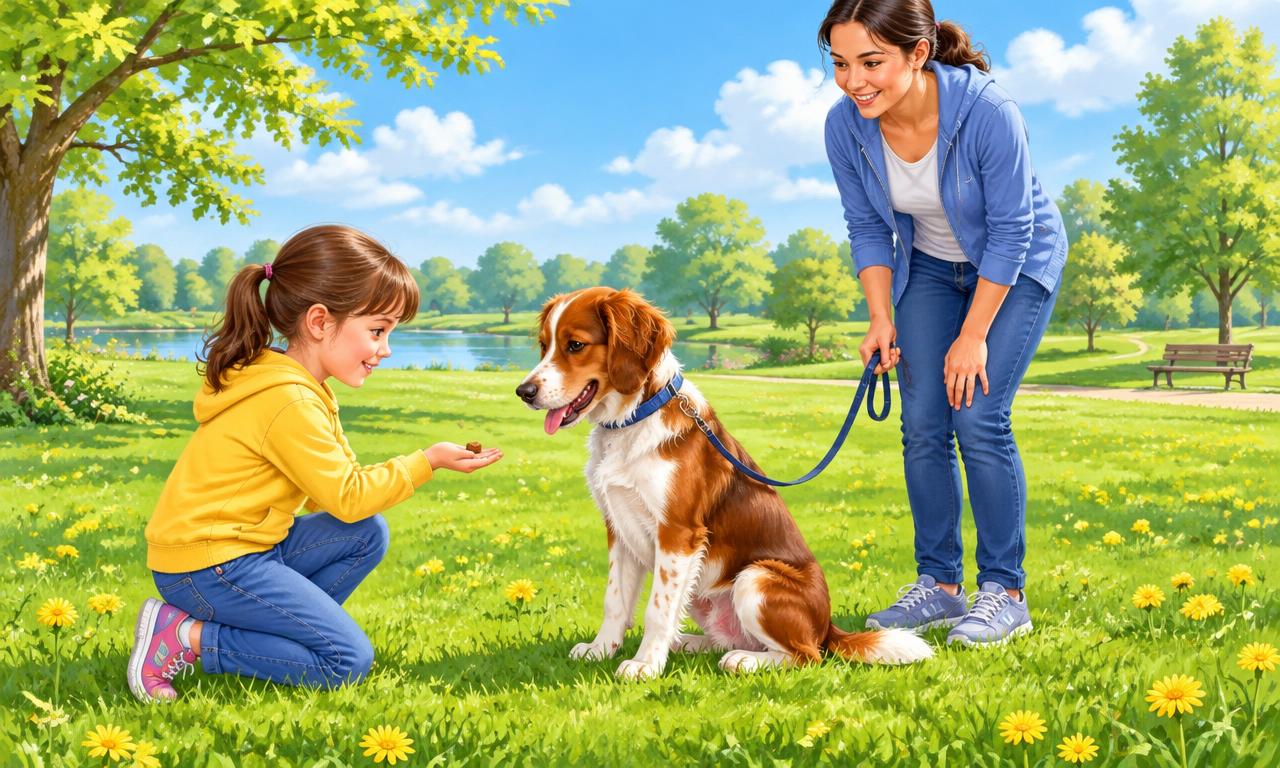
A safer approach is to allow the dog to decide whether it wants to interact.
Follow these steps:
-
Ask the dog's owner whether it is okay to approach.
-
Stand calmly and avoid rushing toward the dog.
-
Turn your body slightly sideways rather than leaning directly over it.
-
Allow the dog to approach you if it wants to.
-
Avoid putting your face close to the dog's face.
-
If the dog seems comfortable, gently pet its chest or shoulder.
-
Stop after a few seconds and see whether the dog chooses to stay or move away.
A dog that leans toward your hand, remains relaxed, or gently moves closer may be comfortable with more attention.
A dog that turns away, moves away, freezes, or shows other signs of discomfort should be left alone.
Never assume that every dog wants to be petted, even if it belongs to someone you know.
22. Why Is It Important to Learn a Dog's Body Language?
Understanding dogs helps people develop safer and stronger relationships with them.
A dog cannot simply say:
-
"I am frightened."
-
"Please stop touching me."
-
"I want to play."
-
"I need to go outside."
-
"That noise scares me."
-
"I am feeling sick."
-
"I need some quiet time."
Instead, it uses its body and sounds to communicate.
When people learn to recognize these messages, they can respond appropriately.
For example, if a dog moves away from a hug, the person can stop hugging it. If a dog begins pacing and whining near the door, the owner can consider whether it needs to go outside. If a dog suddenly becomes stiff and growls, people can recognize the warning and give it space.
Understanding a dog's signals also helps prevent bites. Many dogs give warning signals before they bite, although not every warning is obvious.
The more familiar people become with a dog's normal behaviour, the easier it is to notice when something changes.
23. Every Dog Has Its Own Way of Communicating
Although dogs share many communication signals, every dog is an individual.
A Golden Retriever may be very enthusiastic and wag its tail constantly. A Greyhound may be quieter and more reserved. A small terrier may bark frequently, while another dog may rarely make a sound.
Breed, age, personality, past experiences, health, and surroundings can all influence how a dog behaves.
It is also important to learn what is normal for a particular dog.
For example, some dogs naturally have curled tails, floppy ears, or wrinkled faces. Their body language may look different from that of other breeds.
If a dog suddenly begins behaving differently, it may be frightened, uncomfortable, injured, or ill. A veterinarian can help determine whether a health problem is responsible.
Conclusion: Listen With Your Eyes and Ears
Dogs communicate every day, even though they cannot use human language. Their tails, ears, eyes, mouths, bodies, and voices all help them express how they feel.
A wagging tail may mean excitement, but it does not always mean friendliness. A growl is a warning, not simply bad behaviour. A dog that turns away may be asking for space, while a dog that lowers its front legs and raises its back end may be inviting someone to play.
The most important lesson is to pay attention to the whole dog. Look at its body, listen to its sounds, and consider what is happening around it.
When people learn to understand what dogs are telling them, they become better companions, safer friends, and more responsible dog owners.