How Do You Take Care of a Dog?
Dogs are wonderful companions. They can be playful, affectionate, intelligent, protective, and loyal. Many dogs enjoy going for walks, playing games, learning tricks, and spending time with their families. However, owning a dog is a big responsibility. Dogs depend on people to provide everything they need to stay healthy, comfortable, safe, and happy.
Taking care of a dog involves much more than putting food in a bowl. Dogs need nutritious meals, clean drinking water, exercise, grooming, training, veterinary care, a comfortable place to sleep, and plenty of attention. They also need patience and kindness. A dog cannot explain exactly what it needs, so its owner must learn to recognize its behaviour and look after it properly.
Different dogs have different requirements. A tiny Chihuahua does not need the same amount of exercise as a large German Shepherd. A young puppy needs different care from an older dog. Some breeds have thick coats that require frequent brushing, while others have short coats that need much less grooming.
A responsible dog owner learns about the particular needs of their dog and makes sure those needs are met every day.
1. Provide Nutritious Food
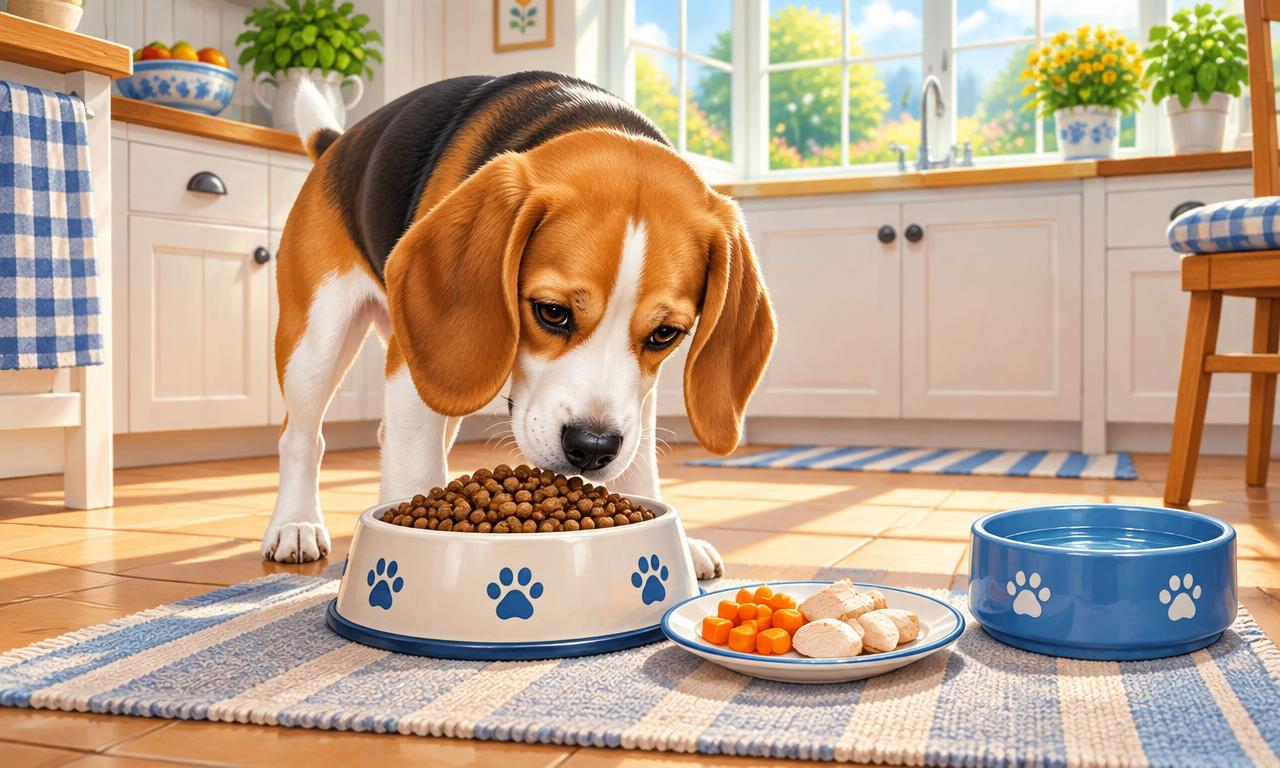
Food is one of the most important parts of caring for a dog. Dogs need a balanced diet that supplies the nutrients their bodies require to grow, maintain healthy muscles, support their organs, and produce energy.
Most dogs eat specially prepared commercial dog food. This food is available in several forms, including dry kibble, canned wet food, and specially prepared fresh or refrigerated meals. Good-quality dog food is formulated to provide an appropriate balance of protein, fats, carbohydrates, vitamins, and minerals.
Protein helps build and repair muscles and other body tissues. Fats provide energy and help the body absorb certain vitamins. Carbohydrates can provide another source of energy. Vitamins and minerals support many important functions, including healthy bones, teeth, skin, and organs.
The best food depends on the dog's age, size, activity level, health, and individual needs.
Puppy Food
Puppies grow quickly, so they need food specifically formulated for growth. Puppy food generally contains the nutrients and energy needed to support developing muscles, bones, and organs.
Puppies often need several smaller meals throughout the day. Their feeding schedule should be based on their age, size, and the recommendations of a veterinarian or the food manufacturer.
Large-breed puppies may need specially formulated food because growing too quickly or receiving an unbalanced amount of certain nutrients can contribute to skeletal problems.
Adult Dog Food
Adult dogs generally eat food designed to maintain their body weight and overall health rather than support rapid growth.
Many adult dogs are fed once or twice a day, although the appropriate schedule depends on the individual dog. Some dogs do better with smaller, more frequent meals.
Owners should measure food rather than simply filling the bowl without thinking about the amount. Feeding too much can lead to obesity, which increases the risk of health problems.
Senior Dog Food
Older dogs may become less active and may have different nutritional requirements. Some senior dogs need fewer calories, while others need special diets to support particular health conditions.
A veterinarian can help determine whether an older dog needs a different type of food.
2. Always Provide Fresh Drinking Water
Water is essential for life. Dogs need it to regulate their body temperature, digest food, transport nutrients, and remove waste from their bodies.
A dog should have access to clean, fresh drinking water throughout the day. Water should be available indoors and, when appropriate, outdoors as well.
A water bowl should be large enough for the dog to drink comfortably. It should be placed somewhere the dog can easily reach and should not be positioned where it is likely to be knocked over.
Water bowls need regular cleaning because saliva, food particles, dirt, and bacteria can collect inside them. Simply adding more water without washing the bowl is not enough.
Dogs may drink more when the weather is hot, after exercise, or when eating dry kibble. Puppies and active dogs also need careful attention to their water supply.
If a dog suddenly begins drinking much more or much less than usual, it may be a sign of a health problem. A veterinarian should investigate unusual changes in drinking habits.
3. Give Your Dog Regular Exercise
Dogs need exercise to keep their bodies strong and their minds active. Without enough physical activity, some dogs become restless, bored, overweight, or destructive.
Exercise can include walking, running, playing fetch, swimming, exploring new places, and playing with suitable toys.
However, not all dogs need the same amount of exercise.
A Border Collie, for example, was bred to work with livestock and often needs considerable physical activity and mental challenges. A Bulldog generally has different exercise requirements and may need shorter, more carefully managed activities, especially in hot weather.
Walking
Walking is one of the most common ways to exercise a dog. Walks allow dogs to stretch their legs, explore their surroundings, experience different smells, and investigate the world outside their home.
Dogs experience their environment through their noses. A walk is therefore not just physical exercise; it is also an opportunity for mental stimulation.
A good walk should be appropriate for the dog's age, fitness, health, and breed. Puppies should not be forced into long, strenuous walks while their bones and joints are still developing.
Playing Fetch
Fetch is a popular game in which a person throws a ball or another suitable toy and the dog runs to retrieve it.
Some dogs naturally enjoy chasing and carrying objects. Others need to learn the game gradually.
The play area should be safe, and the toy should be large enough that the dog cannot accidentally swallow it.
Swimming
Some dogs enjoy swimming, and it can provide excellent exercise. However, not every dog is a natural swimmer.
Dogs should never be forced into water. They should be introduced gradually and supervised carefully. Some breeds with short noses, heavy bodies, or short legs may have difficulty swimming.
A properly fitted dog life jacket can provide additional safety, especially when swimming in lakes or boats.
Mental Exercise
Exercise is not only about running and jumping. Dogs also need activities that make them think.
Puzzle feeders, scent games, training sessions, and hide-and-seek games can provide mental stimulation.
A dog that has opportunities to use its brain as well as its body is more likely to remain engaged and content.
4. Brush Your Dog's Fur
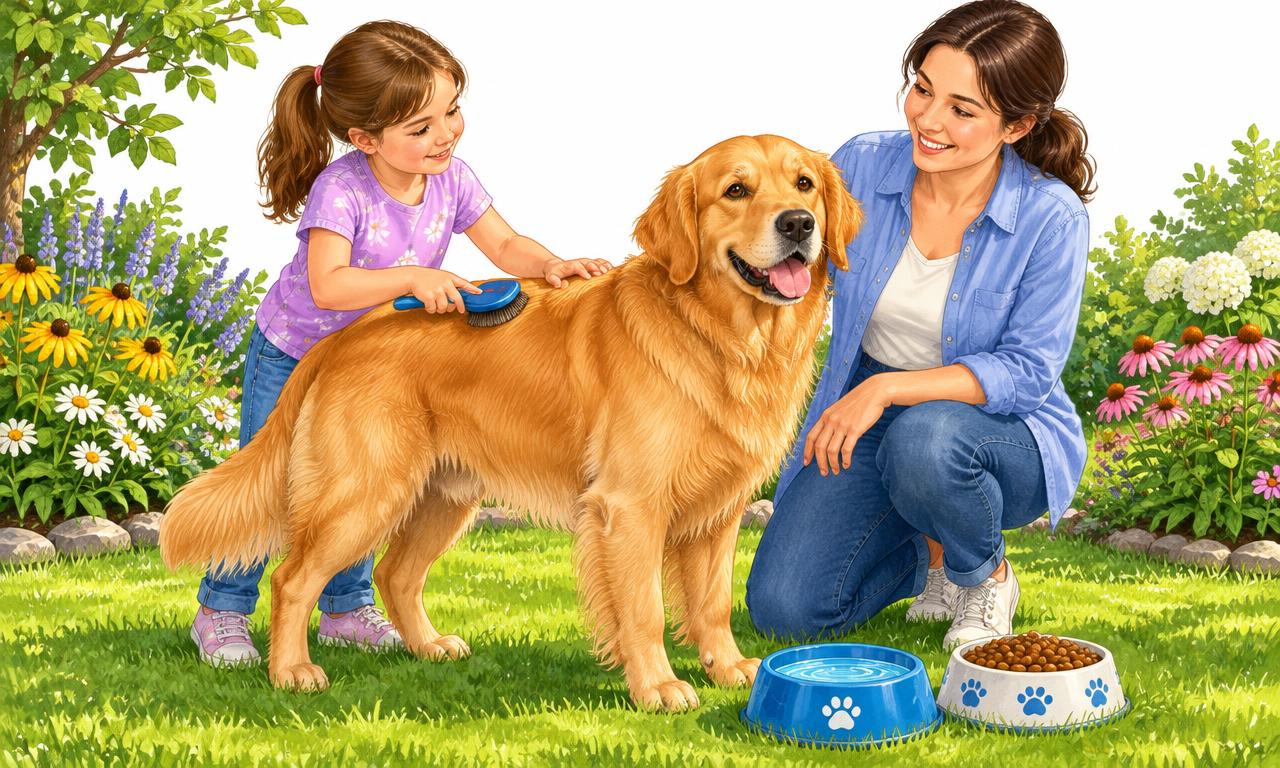
Brushing is an important part of dog grooming. It removes loose hair, dirt, and debris while helping prevent tangles and mats.
Different dogs need different brushing routines.
Dogs with long hair, such as Golden Retrievers and Shih Tzus, often need frequent brushing. Dogs with curly coats, such as Poodles, need careful grooming because their hair can become tangled and matted. Short-haired dogs generally need less brushing, although they still benefit from occasional grooming.
Why Is Brushing Important?
When loose hair remains in a dog's coat, it can become tangled with other hair. These tangles can develop into mats.
Mats are clumps of tangled fur that can become tight against the skin. They may pull on the skin, trap dirt and moisture, and cause discomfort.
Regular brushing also gives owners an opportunity to examine their dog's skin. They may notice fleas, ticks, unusual lumps, scratches, redness, or other changes.
Choosing a Brush
There are several types of dog brushes:
-
Slicker brushes: Have many fine, short wires and are useful for removing loose hair and working through tangles in appropriate coats.
-
Bristle brushes: Have soft or firm bristles and are often suitable for smoothing short coats.
-
Pin brushes: Have longer pins and can help maintain longer coats.
-
Undercoat rakes: Help remove loose undercoat from certain double-coated breeds.
-
Combs: Help identify and gently work through smaller tangles.
The correct brush depends on the dog's coat. Brushing should never be painful. If a mat is difficult to remove, a professional groomer may be needed.
5. Bathe Your Dog When Necessary
Dogs sometimes get dirty, muddy, or smelly, so they need baths from time to time.
Bathing removes dirt, excess oils, and unpleasant odours from the coat. However, dogs do not usually need to be bathed every day or even every week.
How frequently a dog needs a bath depends on its breed, coat, lifestyle, skin condition, and how dirty it becomes.
A dog that spends a lot of time outdoors may need more frequent bathing than one that mostly stays indoors.
How to Bathe a Dog
A typical dog bath involves several steps:
-
Brush the coat to remove loose hair and tangles.
-
Use lukewarm water.
-
Wet the dog's coat carefully.
-
Apply a shampoo made specifically for dogs.
-
Gently massage the shampoo through the coat.
-
Rinse thoroughly so no shampoo remains.
-
Dry the dog using a towel and, if appropriate, a carefully controlled pet-safe dryer.
Human shampoo should generally not be used on dogs because human skin and dog skin have different characteristics. Some human shampoos can irritate a dog's skin.
Avoid getting shampoo or water into the dog's eyes and ears. Dogs that dislike bathing should be introduced to the process gradually and rewarded for remaining calm.
6. Take Care of Your Dog's Teeth
Dental care is an important but sometimes overlooked part of dog ownership.
Dogs can develop plaque, tartar, gum disease, and painful dental infections. Poor dental health can make eating uncomfortable and may affect a dog's overall health.
Plaque is a sticky film of bacteria that forms on teeth. If it is not removed, it can harden into tartar.
Over time, tartar can irritate the gums and contribute to periodontal disease.
Brushing a Dog's Teeth
The best way to help prevent dental problems is to brush a dog's teeth regularly using a toothbrush and toothpaste designed specifically for dogs.
Human toothpaste should not be used. Some products contain ingredients that are unsafe for dogs, including xylitol, an artificial sweetener that is highly toxic to them.
A dog may need time to become comfortable with having its teeth brushed. Owners can begin by gently touching the dog's lips and teeth, then gradually introduce the toothbrush and toothpaste.
Dental chews and specially designed dental foods may also help reduce plaque, but they do not replace proper dental care.
A veterinarian should examine a dog's mouth regularly and recommend professional cleaning when necessary.
7. Keep Your Dog's Nails Trimmed
A dog's nails continue to grow and may need regular trimming.
If nails become too long, they can make walking uncomfortable and change the way a dog places its feet on the ground. Very long nails can break, split, or curl into the paw pads.
Some dogs naturally wear down their nails through walking on suitable surfaces. Others need frequent trimming.
How Are Dog Nails Trimmed?
Dog nail clippers are designed specifically for trimming canine nails. There are several types, including scissor-style clippers, guillotine-style clippers, and electric nail grinders.
Inside each nail is a sensitive area called the quick. It contains blood vessels and nerves.
Cutting into the quick can cause pain and bleeding. Light-coloured nails often make the quick easier to see, while dark nails can be more difficult to trim safely.
Owners who are unfamiliar with nail trimming should ask a veterinarian or professional groomer to demonstrate the correct technique.
8. Clean Your Dog's Ears
A dog's ears need regular observation and, when necessary, cleaning.
Some dogs have upright ears, while others have floppy ears that cover the ear opening. Certain breeds are more prone to ear infections because of their ear shape, hair growth, allergies, or other factors.
A healthy ear should not have a strong unpleasant smell, excessive discharge, or obvious irritation.
Signs of a possible ear problem include:
-
Frequent head shaking.
-
Scratching at the ears.
-
Redness or swelling.
-
An unpleasant smell.
-
Dark or unusual discharge.
-
Pain when the ears are touched.
Owners should use only ear-cleaning products recommended for dogs. Cotton swabs should not be pushed into the ear canal because they can cause injury or push debris deeper inside.
If a dog has signs of an ear infection, a veterinarian should examine it rather than simply cleaning the ear repeatedly.
9. Take Your Dog to the Veterinarian
Veterinarians are doctors who specialize in animal health. They examine animals, diagnose illnesses, provide vaccinations, treat injuries, and help prevent health problems.
Even a dog that appears perfectly healthy needs regular veterinary care.
Vaccinations
Vaccines help protect dogs against certain infectious diseases.
Depending on the dog's age, location, lifestyle, and local recommendations, vaccinations may protect against diseases such as rabies, distemper, parvovirus, and adenovirus.
Puppies usually need a series of vaccinations because their immune systems are still developing. Adult dogs may need booster vaccinations according to veterinary advice.
Checkups
Routine veterinary examinations allow a veterinarian to check a dog's:
-
Heart and lungs.
-
Eyes and ears.
-
Teeth and gums.
-
Skin and coat.
-
Weight and body condition.
-
Joints and movement.
-
Overall health.
These examinations can sometimes identify problems before they become serious.
Parasite Prevention
Dogs can be affected by parasites such as fleas, ticks, and intestinal worms.
Fleas are small insects that live on animals and feed on their blood. They can cause itching, skin irritation, and allergic reactions.
Ticks attach themselves to animals and feed on blood. Some ticks can transmit diseases.
Worms are internal parasites that may live in a dog's digestive system or other parts of its body.
Veterinarians can recommend suitable parasite-prevention products and testing schedules.
Spaying and Neutering
Spaying and neutering are surgical procedures that prevent dogs from reproducing.
Spaying is generally the term used for sterilizing female dogs, while neutering is often used for male dogs, although the word can refer to sterilization more generally.
These procedures may also provide certain health and behavioural benefits. The best age and timing depend on the dog's breed, size, health, and circumstances, so owners should discuss the decision with a veterinarian.
10. Give Your Dog a Comfortable Place to Sleep
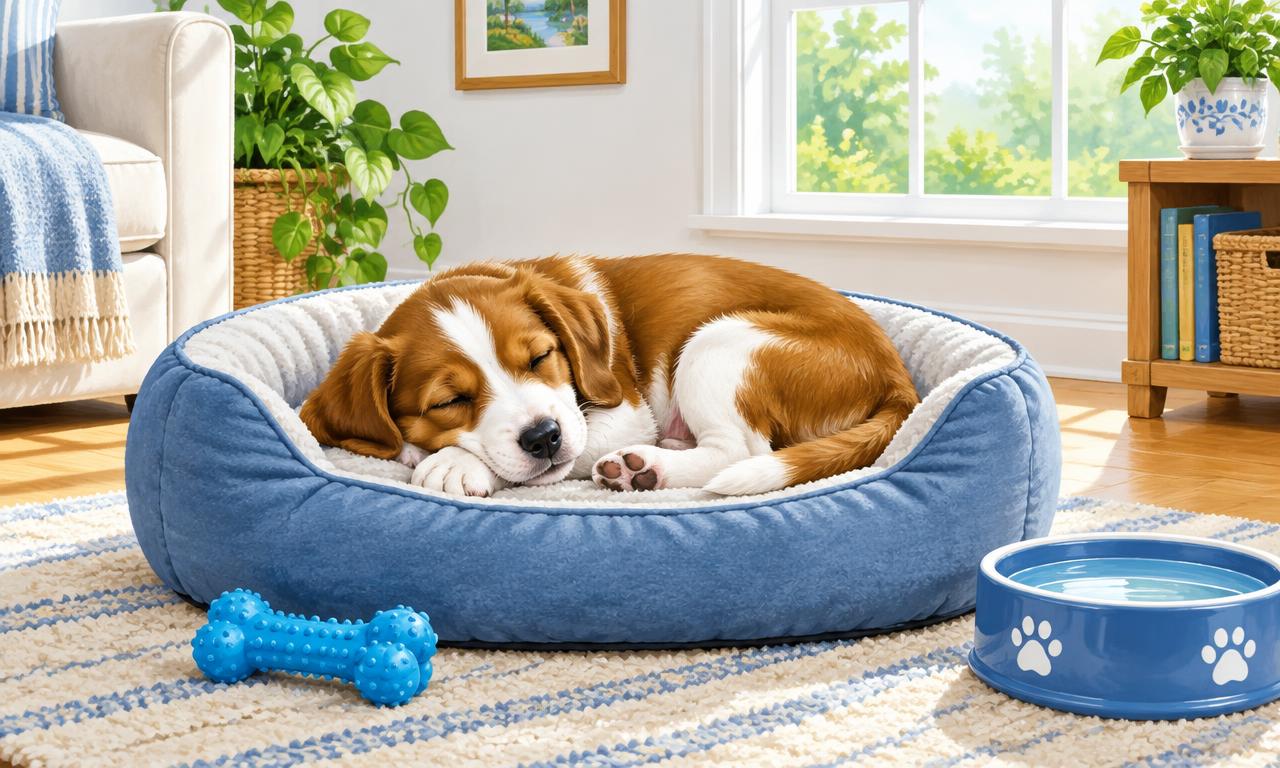
Dogs need a safe, comfortable place where they can rest without being disturbed.
Some dogs enjoy sleeping in a dog bed, while others prefer a blanket, cushion, or crate.
A good sleeping area should be:
-
Clean and dry.
-
Comfortable and appropriately sized.
-
Away from dangerous objects.
-
Protected from extreme temperatures.
-
Located somewhere the dog can rest peacefully.
Dogs need more sleep than people generally do. Puppies and older dogs may sleep for particularly long periods.
A crate can be a useful resting space when introduced positively. It should never be used as punishment or as a place where a dog is confined for excessive periods.
Dogs should have enough room to stand, turn around, lie down, and stretch comfortably.
11. Train Your Dog to Behave Safely
Training teaches dogs how to live comfortably with people and other animals.
A well-trained dog is easier to manage and can participate more safely in everyday activities.
Basic commands include:
-
Sit: The dog places its bottom on the ground.
-
Stay: The dog remains in one position until released.
-
Come: The dog returns to its owner.
-
Down: The dog lies on the ground.
-
Leave it: The dog moves away from an object.
-
Drop it: The dog releases something it is carrying.
Training should use patience, repetition, and positive reinforcement. Positive reinforcement means rewarding a behaviour that the owner wants the dog to repeat.
Rewards can include small treats, praise, toys, or playtime.
Punishing or frightening a dog can damage trust and may make behavioural problems worse. Training should never involve hitting, kicking, or deliberately hurting an animal.
12. Socialize Your Dog
Socialization means helping a dog become comfortable with different people, animals, places, sounds, and everyday experiences.
A well-socialized dog is more likely to respond calmly to unfamiliar situations.
Puppies have an important early period when positive experiences can help shape how they respond to the world. However, socialization continues throughout a dog's life.
Dogs can gradually become familiar with:
-
Different people.
-
Other friendly dogs.
-
Children.
-
Cars and bicycles.
-
Traffic sounds.
-
Doorbells and household noises.
-
Veterinary clinics.
-
Different walking environments.
Experiences should be introduced carefully and positively. A dog should never be forced to approach something that frightens it.
Puppies should also be protected from infectious diseases. Owners should ask their veterinarian how to socialize a puppy safely before its vaccinations are complete.
13. Keep Your Dog Safe at Home
A home may seem like a safe place, but many ordinary household objects can be dangerous to dogs.
Dogs explore with their noses and mouths. Puppies, in particular, may chew or swallow objects simply because they are curious.
Potential household dangers include:
-
Cleaning chemicals.
-
Human medications.
-
Electrical cords.
-
Batteries.
-
Small toys.
-
Sharp objects.
-
Plastic bags.
-
Certain houseplants.
-
Chocolate and other dangerous foods.
Garbage cans should be secured because dogs may investigate discarded food, packaging, and other materials.
Household chemicals and medications should be stored somewhere a dog cannot reach.
Dogs should also have access to a safe, comfortable environment when left alone. Owners should make sure that their dog cannot escape through an open door, damaged fence, or unsecured gate.
14. Protect Your Dog From Hot and Cold Weather
Dogs can be affected by extreme temperatures.
Hot Weather
Dogs can overheat, especially during hot and humid weather.
Unlike people, dogs do not cool themselves primarily by sweating over their bodies. They rely heavily on panting to release heat.
Signs of overheating can include:
-
Excessive panting.
-
Heavy drooling.
-
Weakness.
-
Vomiting.
-
Confusion.
-
Collapse.
Heatstroke is a medical emergency. A dog showing signs of heatstroke needs immediate veterinary attention.
On hot days, walks should be scheduled for cooler periods. Dogs should have access to shade and fresh water.
Never leave a dog alone in a parked vehicle, even if the windows are partly open. Temperatures inside vehicles can rise dangerously quickly.
Cold Weather
Some dogs have thick coats that help protect them from cold temperatures. Others have short coats and little body fat, making them more sensitive to cold weather.
Small dogs, puppies, senior dogs, and dogs with certain health conditions may need additional protection.
A suitable dog coat may help some dogs stay warm. Paws should also be checked after winter walks because ice, snow, and road salt can irritate them.
Dogs should have a warm, dry place to sleep and should not be left outside in dangerous weather.
15. Give Your Dog Attention and Affection
Dogs are social animals. Many enjoy spending time with their families and forming close relationships with the people who care for them.
Attention can include playing, walking, training, grooming, relaxing together, and simply spending time in the same room.
Dogs also need opportunities to rest. Constant attention and stimulation can be tiring, especially for puppies and older animals.
A dog should be treated as a living member of the household, not as a toy that can be ignored when nobody feels like playing.
Some dogs enjoy cuddling, while others prefer sitting nearby. Their individual personalities should be respected.
Children should learn how to interact gently with dogs. They should not pull tails, ears, or fur, climb on dogs, disturb them while sleeping, or take food away from them.
Dogs should also have a quiet place where they can retreat when they want to be left alone.
16. Clean Up After Your Dog
Responsible dog ownership includes cleaning up after a dog.
When walking a dog, owners should carry waste bags and pick up their dog's poop. Dog waste should be placed in an appropriate garbage container.
Leaving dog waste on sidewalks, lawns, playgrounds, and parks is unpleasant and can spread parasites and microorganisms.
Owners should also clean their dog's bedding, food bowls, toys, and living areas regularly.
A clean environment helps reduce unpleasant smells and lowers the chance of some health problems.
17. Recognize When Your Dog Is Sick
Dogs cannot tell people when they have a headache, stomachache, or fever. Owners must pay attention to changes in behaviour and appearance.
Possible signs of illness include:
-
Refusing food.
-
Drinking unusually large or small amounts of water.
-
Vomiting.
-
Diarrhea.
-
Coughing.
-
Limping.
-
Excessive scratching.
-
Unusual tiredness.
-
Changes in breathing.
-
Unusual lumps or swelling.
-
Sudden changes in behaviour.
Some signs require urgent veterinary attention. Difficulty breathing, collapse, seizures, severe bleeding, suspected poisoning, and a swollen abdomen with repeated unsuccessful attempts to vomit are examples of emergencies.
Owners should never give a dog human medication unless a veterinarian specifically instructs them to do so. Some medicines that are safe for people can seriously poison dogs.
18. Remember That Every Dog Is Different
There is no single care routine that works perfectly for every dog.
A Chihuahua, a Great Dane, a Labrador Retriever, and a Poodle have different physical characteristics and needs.
A puppy needs more supervision and a different feeding routine from an adult dog. A senior dog may need shorter walks and more frequent veterinary attention. A dog with allergies may require a special diet or skin-care routine.
Before bringing a dog home, people should learn about the breed or mix of breeds, its likely adult size, exercise requirements, grooming needs, temperament, and possible health concerns.
They should also consider whether they have enough time, money, space, and patience to provide proper care.
Owning a dog is a long-term commitment. Many dogs live for ten years or longer, and some live considerably longer.
The Most Important Rule of Dog Ownership
Taking care of a dog means meeting its physical, emotional, and social needs every day.
Dogs need nutritious food, fresh water, exercise, grooming, veterinary care, training, safety, rest, and companionship. They also need people who are willing to learn about their individual needs and provide consistent care.
A dog cannot go to the grocery store, make its own veterinary appointment, fill its water bowl, or explain when something hurts. It depends on its owner to make good decisions on its behalf.
A responsible dog owner does more than provide a home. They provide a safe, healthy, and loving life.