How Do You Train a Dog?
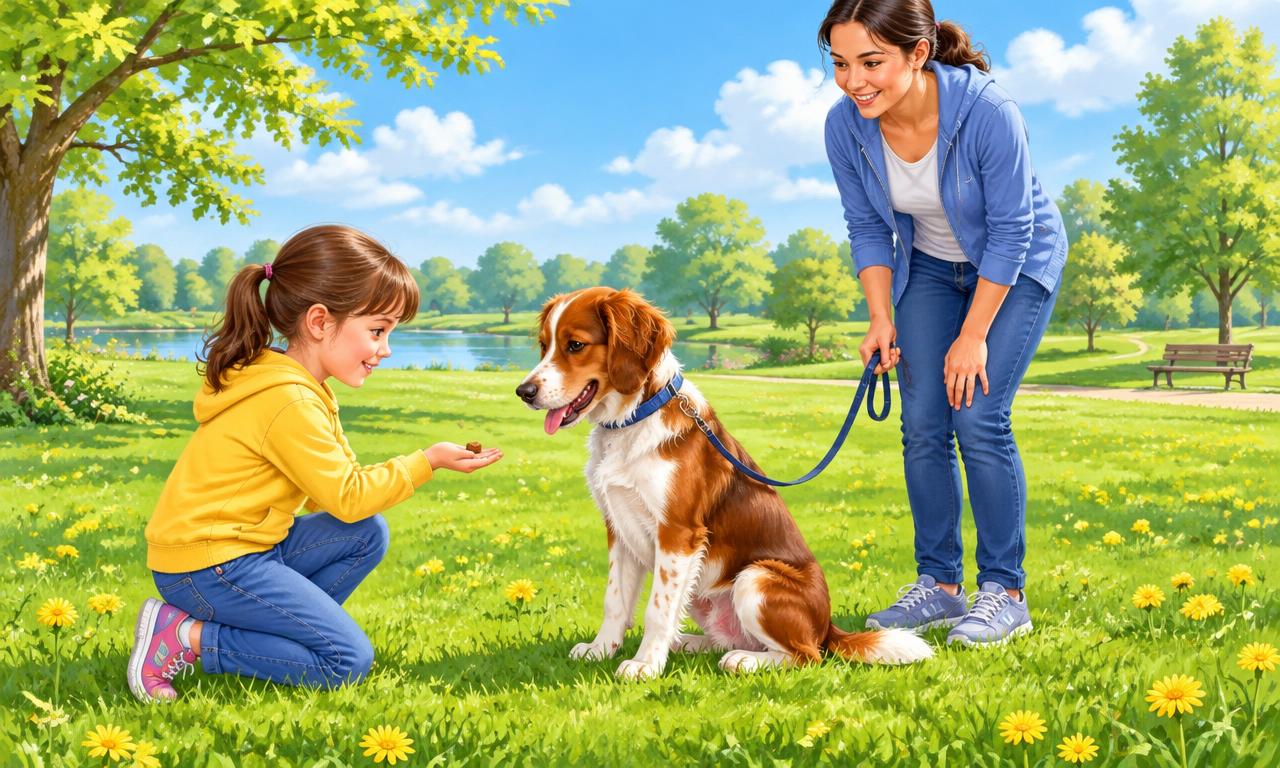
Training a dog is one of the most important parts of being a responsible dog owner. Dogs need to learn how to live safely and comfortably with people, other animals, and the world around them. Training teaches dogs what people expect from them and helps them develop good habits.
A well-trained dog is easier to take for walks, welcome into public places, introduce to visitors, and include in family activities. Training can also prevent dangerous situations. For example, a dog that reliably comes when called may be easier to keep away from traffic or other hazards.
Dogs are intelligent animals, but they do not automatically understand human rules. A puppy does not know that chewing shoes is unwanted, that jumping on visitors can be uncomfortable, or that it should wait before running through an open door. These behaviours must be taught.
The good news is that dogs can learn throughout their lives. Puppies, adult dogs, and even senior dogs can learn new commands and develop new habits. Successful training requires patience, consistency, repetition, and rewards. It also requires understanding how dogs learn and recognizing that every dog has its own personality, abilities, and learning speed.
1. Understand How Dogs Learn
Dogs learn by connecting their actions with what happens afterward. If a particular behaviour leads to something enjoyable, they are more likely to repeat it. If a behaviour does not produce the result they expect, they may gradually stop doing it.
For example, imagine that a dog sits when its owner gives a command. The owner immediately gives the dog a small treat. The dog begins to understand that sitting when asked is a behaviour that produces a reward.
This is an example of positive reinforcement.
Positive reinforcement means adding something pleasant after a desired behaviour to make that behaviour more likely to happen again.
Rewards can include:
-
Small pieces of dog treats.
-
Praise and kind words.
-
A favourite toy.
-
A game of fetch.
-
Petting, if the dog enjoys it.
-
Permission to do something the dog wants, such as going outside.
Food treats are particularly useful when teaching new behaviours because they provide an immediate and understandable reward.
Timing is important. The reward should come immediately after the correct action, so the dog can connect the reward with what it just did.
2. Start With Basic Commands
Basic commands are the foundation of dog training. They help owners communicate with their dogs and make everyday situations easier to manage.
A dog does not need to learn dozens of tricks to be well trained. A handful of reliable commands can make a tremendous difference.
Sit
<AsyncImage query="golden retriever dog sitting on grass looking at owner training" aspectRatio="16:9" width="100%"/>
Sit is one of the easiest and most useful commands to teach.
To teach it:
-
Hold a small treat close to the dog's nose.
-
Slowly move the treat upward and slightly backward over its head.
-
As the dog follows the treat with its eyes, its bottom will often move toward the ground.
-
As soon as its bottom touches the floor, say "Sit."
-
Immediately give the treat and praise the dog.
Repeat the exercise several times in short sessions.
Eventually, the dog should learn to sit when it hears the word, without needing to follow a treat every time.
Sitting is useful when greeting visitors, waiting for food, getting ready for a walk, or meeting someone on a sidewalk.
Stay
<AsyncImage query="border collie dog staying in place on grass during obedience training" aspectRatio="16:9" width="100%"/>
Stay teaches a dog to remain in one position until it is released.
To teach it:
-
Ask the dog to sit.
-
Hold up an open hand as a visual signal.
-
Say "Stay."
-
Wait for one or two seconds.
-
If the dog remains in position, reward it.
-
Use a release word, such as "Okay," to let the dog move.
Gradually increase the amount of time the dog must remain still.
Next, practise taking one small step away and returning to reward the dog.
Eventually, you can increase the distance and practise in different places.
Stay is particularly useful when opening doors, preparing meals, or waiting at a safe distance from something interesting.
Training should progress gradually. Expecting a young puppy to remain still for several minutes in a busy environment is unrealistic.
Come
<AsyncImage query="happy golden retriever running toward owner on grassy field dog recall training" aspectRatio="16:9" width="100%"/>
Come is one of the most important safety commands a dog can learn.
It teaches the dog to return to its owner when called.
To practise:
-
Begin indoors or in a quiet, enclosed area.
-
Move a short distance away from the dog.
-
Say the dog's name followed by "Come!"
-
Use an enthusiastic voice.
-
When the dog approaches, reward it immediately.
-
Repeat the exercise, gradually increasing the distance.
Coming when called should always be associated with something positive.
Never call a dog to you and then punish it for something it did earlier. This can teach the dog that returning to its owner leads to something unpleasant.
Until recall is reliable, practise in securely enclosed areas or use an appropriate long training line with supervision. A dog should not be allowed off leash in an unsafe or uncontrolled location simply because it has started learning the command.
Down
<AsyncImage query="labrador retriever dog lying down on floor obedience training" aspectRatio="16:9" width="100%"/>
Down teaches a dog to lie on its stomach with its legs resting on the ground.
To teach it:
-
Ask the dog to sit.
-
Hold a treat near its nose.
-
Slowly lower the treat toward the floor.
-
Move it slightly forward so the dog follows it.
-
When the dog lies down, say "Down."
-
Reward it immediately.
Some dogs learn this quickly, while others find it uncomfortable or confusing at first.
Do not push a dog physically into position. Give it time to work out what you are asking.
Down is useful when you want a dog to settle calmly beside you.
Leave It
<AsyncImage query="dog looking at treat on floor during leave it training exercise" aspectRatio="16:9" width="100%"/>
Leave it teaches a dog not to touch or pick up something when asked.
This command can help protect dogs from dangerous objects, spoiled food, medications, and other things they might find on the ground.
A simple exercise involves holding a treat in a closed hand.
-
Let the dog notice the treat.
-
Say "Leave it."
-
Allow the dog to sniff your hand, but do not open it.
-
When the dog stops trying to get the treat or looks away, reward it with a different treat from your other hand.
-
Repeat until the dog begins to understand the command.
Eventually, the dog can learn to leave an object alone even when it is on the floor.
Remember that "Leave it" and "Drop it" are different commands. Leave it means do not pick something up. Drop it means release something already in your mouth.
Drop It
Drop it teaches a dog to release an object it is carrying.
This can be particularly helpful when a dog picks up a sock, shoe, toy, or something unsafe.
To practise, offer the dog a suitable toy. Hold a treat near its nose and say "Drop it." When the dog releases the toy, immediately reward it.
You can then return the toy to the dog or begin another game.
This teaches the dog that releasing an object does not always mean losing it forever.
Never try to frighten a dog or forcibly pull something from its mouth unless there is an immediate safety emergency.
3. Teach Your Dog Its Name
A dog's name is one of the first things it should learn.
A dog needs to recognize when someone is trying to get its attention.
Start in a quiet room with very few distractions.
-
Say the dog's name once.
-
When it looks toward you, reward it.
-
Repeat several times.
-
Practise in different rooms and environments.
Avoid repeatedly shouting the dog's name when it is not paying attention. The goal is to teach the dog that hearing its name is a positive reason to look toward its owner.
A dog's name should not be used primarily as a warning or punishment.
4. House-Train Your Dog
<AsyncImage query="puppy standing beside front door house training dog" aspectRatio="16:9" width="100%"/>
House-training teaches a dog where it is appropriate to urinate and defecate.
This is one of the biggest responsibilities of raising a puppy. Puppies have small bladders and are still learning how to control when they need to go to the bathroom.
House-training requires supervision, routine, and patience.
Establish a Bathroom Routine
Take a puppy outside regularly, particularly:
-
Immediately after waking up.
-
After eating.
-
After drinking.
-
After playing.
-
Before going to bed.
-
Whenever it begins showing signs that it needs to go.
Young puppies may need to go outside very frequently.
Take the puppy to the same general bathroom area when possible. When it finishes, praise it and offer a small reward immediately.
Over time, the puppy begins to associate going to the bathroom outside with positive results.
Watch for Warning Signs
A puppy may show that it needs to go outside by:
-
Sniffing the floor.
-
Walking around in circles.
-
Whining.
-
Becoming restless.
-
Moving toward a door.
-
Suddenly stopping play.
If you notice these behaviours, take the puppy outside promptly.
What If the Puppy Has an Accident?
Accidents are a normal part of house-training.
If a puppy urinates indoors, do not hit it, shout at it, or rub its nose in the mess. These actions do not teach the puppy where it should go.
Instead, clean the area thoroughly with an appropriate enzymatic cleaner designed for pet accidents. This helps remove lingering odours that might encourage the puppy to use the same spot again.
Supervise the puppy carefully and continue the bathroom routine.
A puppy that is consistently having accidents may need more frequent outdoor breaks or a veterinary examination if there are signs of a medical problem.
5. Teach Your Dog to Walk on a Leash
<AsyncImage query="person walking happy dog on leash sidewalk dog training" aspectRatio="16:9" width="100%"/>
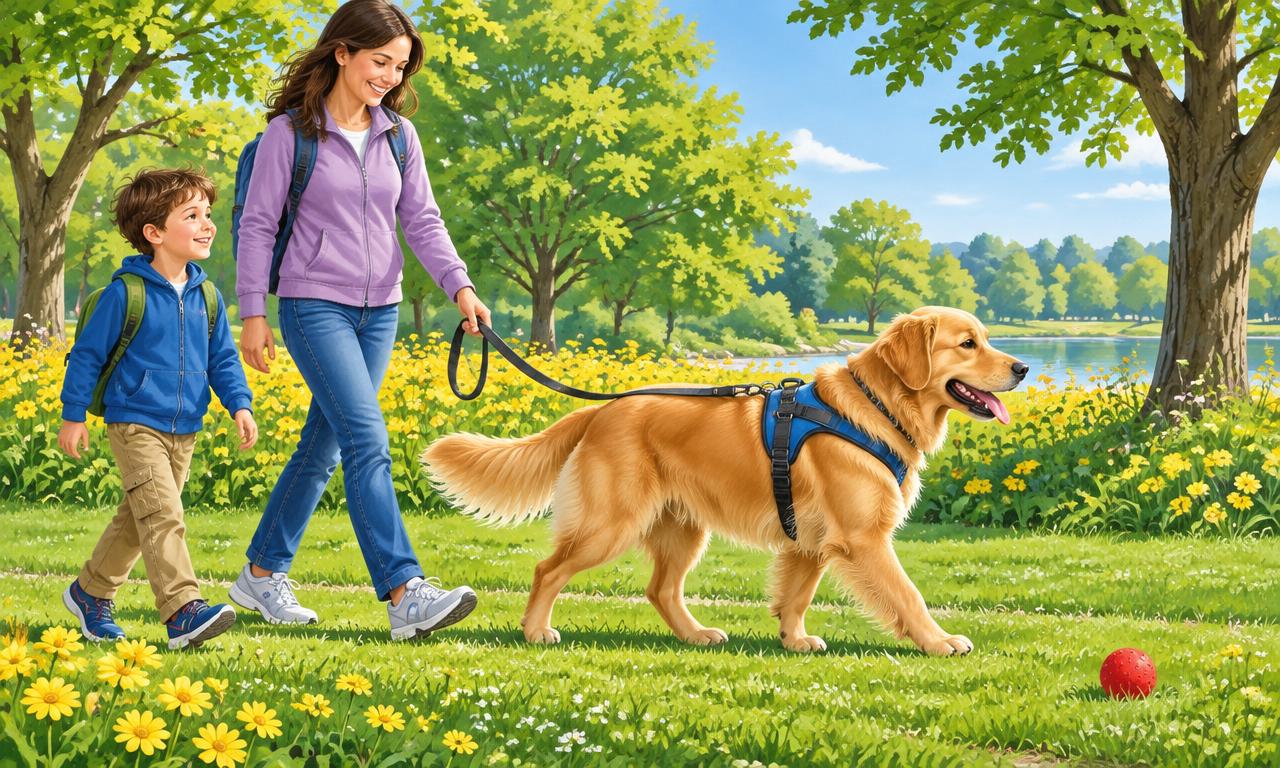
Walking on a leash is an essential skill for most pet dogs.
A leash allows an owner to guide and control a dog while walking through neighbourhoods, parks, and other public areas.
However, many dogs initially pull, zigzag, stop suddenly, or become excited when they see other animals.
The goal is to teach the dog to walk comfortably without constantly pulling against the leash.
Introduce the Collar or Harness
First, allow the dog to become comfortable wearing a properly fitted collar or harness.
Let it sniff the equipment. Put it on for short periods and reward calm behaviour.
A harness can be helpful for some dogs, particularly those that pull or have delicate necks. The appropriate equipment depends on the dog's size, health, and behaviour.
Practise Indoors
Attach the leash and begin walking around a quiet room.
Reward the dog when it walks beside you without pulling.
Use a cheerful voice and encourage it to follow your movements.
Practise Outdoors
Once the dog is comfortable indoors, begin practising in a quiet outdoor location.
When the dog pulls, stop moving or change direction when it is safe to do so. Reward it when it returns to a comfortable position beside you.
Avoid jerking the leash or using equipment designed to cause pain.
Learning to walk politely takes time. Exciting smells, squirrels, other dogs, and unfamiliar sounds can make outdoor training challenging.
6. Stop Jumping on People
<AsyncImage query="dog greeting person calmly four paws on ground positive training" aspectRatio="16:9" width="100%"/>
Many dogs jump on people because they are excited and want attention.
Although jumping may seem friendly, it can knock over small children, frighten visitors, or injure older people.
Dogs need to learn that greeting people calmly is more rewarding than jumping.
When the dog approaches with all four paws on the floor, reward it with attention and praise.
If it jumps, calmly remove your attention by turning away or stepping back, provided it is safe to do so. Once the dog settles, reward the calm behaviour.
Everyone in the household should follow the same rule. If one person rewards jumping while another discourages it, the dog receives confusing messages.
7. Teach Your Dog Not to Bite or Nip
<AsyncImage query="puppy gently playing with appropriate dog chew toy" aspectRatio="16:9" width="100%"/>
Puppies explore the world with their mouths. They may chew toys, investigate objects, and gently nip during play.
Puppies also go through teething, when their baby teeth fall out and adult teeth develop. Chewing can help relieve discomfort during this period.
However, puppies need to learn that human hands, feet, and clothing are not chew toys.
Provide suitable chew toys and redirect the puppy toward them when it begins biting something inappropriate.
If play becomes too rough, calmly stop the game for a short time. Resume when the puppy is settled.
Avoid hitting, shouting at, or deliberately frightening a puppy.
Persistent biting, aggressive behaviour, or bites that break skin should be taken seriously. A veterinarian or qualified, reward-based dog trainer can help assess the behaviour and develop a safe plan.
Children should never be left unsupervised with a dog, especially a young puppy.
8. Teach Your Dog to Stop Barking on Command
<AsyncImage query="beagle dog barking in garden" aspectRatio="16:9" width="100%"/>
Barking is a natural form of dog communication. Dogs bark to alert their owners, express excitement, seek attention, respond to unfamiliar sounds, or communicate discomfort.
The goal of training is not necessarily to stop all barking. Instead, dogs can learn when barking is appropriate and when they should settle down.
First, try to understand why the dog is barking.
Is someone at the door? Is it frightened? Is it bored? Does it want attention? Is it reacting to another dog?
Once you understand the cause, you can work on the behaviour.
For example, if a dog barks when someone rings the doorbell, teach it to go to a designated mat or bed instead. Reward it for remaining there calmly.
A command such as "Quiet" can also be taught. Reward the dog when it pauses barking and becomes calm.
Shouting at a barking dog can sometimes make the situation worse because the dog may interpret the shouting as more excitement or barking.
9. Stop Your Dog From Chewing Furniture and Shoes
<AsyncImage query="puppy chewing appropriate rubber dog chew toy on floor" aspectRatio="16:9" width="100%"/>
Chewing is a natural behaviour for dogs. It helps puppies explore their surroundings and provides an activity for adult dogs.
However, dogs need to learn which objects are appropriate to chew.
Shoes, furniture, electrical cords, clothing, and household objects should not become chew toys.
The easiest approach is to provide suitable alternatives.
Keep valuable objects out of reach, supervise puppies, and offer durable dog toys designed for chewing.
When a dog begins chewing something inappropriate, calmly redirect it to an acceptable toy. Praise it when it chooses the correct object.
Dogs that chew excessively may be bored, anxious, or lacking appropriate stimulation. More exercise, play, and mental activities may help.
Chewing electrical cords, batteries, or other dangerous objects requires immediate intervention and appropriate veterinary advice if anything has been swallowed.
10. Teach Your Dog to Wait Before Going Through a Door
<AsyncImage query="dog sitting calmly inside house near open front door training" aspectRatio="16:9" width="100%"/>
A dog that rushes through an open door can accidentally escape into traffic or become lost.
Teaching a dog to wait at doorways is an important safety skill.
Begin with the dog on a leash in a quiet environment.
-
Ask the dog to sit or stand calmly.
-
Place your hand on the door handle.
-
Reward the dog for remaining in position.
-
Slowly open the door a little.
-
If the dog tries to rush forward, calmly close the door.
-
Reward the dog when it waits.
-
Gradually open the door farther.
-
Use a release word to allow the dog to move through.
Practise with different doors and in different locations.
A dog should still be supervised and secured with a leash or other appropriate restraint when leaving the home.
11. Use Short, Regular Training Sessions
Dogs learn best when training is enjoyable and manageable.
Long training sessions can become tiring or frustrating, particularly for puppies.
Several short sessions throughout the day are often more effective than one long session.
For example, a family might practise:
-
Five minutes of sit and stay in the morning.
-
Five minutes of leash training in the afternoon.
-
Five minutes of come and leave it in the evening.
The exact length depends on the dog. Some dogs can concentrate longer than others.
Finish a session with something the dog understands and can do successfully. This helps keep training positive.
If the dog becomes distracted, frustrated, or tired, take a break and try again later.
12. Be Consistent With Your Rules
Consistency is one of the most important parts of dog training.
Imagine that a family allows a dog to jump onto the couch on Monday but tells it to get down on Tuesday. The dog may become confused because the household rules keep changing.
Everyone who interacts with the dog should try to use the same commands and expectations.
For example:
-
If the command is "Sit," everyone should use that word.
-
If jumping on visitors is not allowed, everyone should discourage it.
-
If the dog is not allowed in a particular room, the rule should be consistent.
-
If the dog is rewarded for calm behaviour, everyone should recognize and reward it.
Consistency helps dogs understand what is expected of them.
13. Train Your Dog Around Distractions
<AsyncImage query="dog obedience training outdoors park other people distractions" aspectRatio="16:9" width="100%"/>
A dog might follow commands perfectly in the kitchen but completely ignore them at the park.
This happens because the environment is different.
Dogs must learn that commands apply in many situations, not just in the room where they first learned them.
Begin training in a quiet location. Once the dog understands the command, gradually introduce more challenging environments.
For example:
-
Practise "Come" inside the house.
-
Practise in the backyard.
-
Practise in a quiet enclosed outdoor area.
-
Practise with a few distractions nearby.
-
Gradually increase the difficulty.
Do not move too quickly. If the dog struggles, return to an easier environment and practise again.
A dog that responds reliably indoors is not automatically ready to be trusted off leash in a busy park.
14. Socialize Your Dog With Other People and Animals
Socialization helps dogs become comfortable around the people, animals, places, and sounds they encounter throughout life.
A dog that has positive experiences with different situations may be less likely to become frightened or overwhelmed by unfamiliar things.
Puppies benefit from carefully planned socialization during their early development. However, adult dogs can also learn to become more comfortable in new situations.
Socialization might include:
-
Meeting calm, friendly dogs.
-
Seeing people wearing hats or uniforms.
-
Hearing traffic and household sounds.
-
Visiting different outdoor environments.
-
Becoming comfortable with car rides.
-
Learning to remain calm around visitors.
Not every dog wants to meet every person or animal. Socialization does not mean forcing a dog to interact with everyone.
Allow the dog to approach new experiences at a comfortable pace. Watch for signs of fear or stress, and provide space when needed.
15. Never Train a Dog by Hurting or Frightening It
Training should teach a dog what to do, not make it afraid of its owner.
Hitting, kicking, shouting aggressively, choking, or deliberately frightening a dog can cause pain, anxiety, and defensive behaviour.
Harsh punishment can also damage the relationship between a dog and its family.
Reward-based training focuses on teaching the behaviour you want to see.
For example, instead of punishing a dog for jumping, teach it to sit when greeting people and reward it for doing so.
Instead of shouting when it chews a shoe, provide an appropriate chew toy and reward it for using that toy.
If a dog develops serious behavioural problems, a veterinarian or qualified reward-based trainer can help.
16. Recognize When You Need Professional Help
Some training challenges are difficult to manage without assistance.
A professional dog trainer can help with:
-
Persistent leash pulling.
-
Excessive barking.
-
Separation-related distress.
-
Fear of strangers.
-
Difficulty socializing.
-
Resource guarding.
-
Destructive behaviour.
-
Aggression toward people or other animals.
A trainer should use humane, evidence-informed methods and should never rely on frightening or hurting the dog.
Sudden behavioural changes can sometimes be caused by pain or illness. If a normally friendly dog suddenly becomes aggressive, withdrawn, or unusually irritable, a veterinary examination is important.
For serious aggression or bite incidents, seek professional help rather than attempting risky training exercises yourself.
17. Remember That Training Takes Time
Some dogs learn a new command in a few minutes. Others need days or weeks of practice.
Age, breed, personality, previous experiences, health, and the difficulty of the task can all affect how quickly a dog learns.
A puppy may have a short attention span. An older rescue dog may have developed habits that take time to change. A highly energetic dog may need exercise and mental stimulation before it can concentrate.
Do not compare one dog's progress with another dog's progress.
Celebrate small improvements. If a dog sits when asked, comes when called, or walks a few steps without pulling, those are successes worth rewarding.
Training should strengthen the relationship between the dog and its owner.
The Most Important Rule of Dog Training
Training is not about making a dog obey every command perfectly. It is about teaching a dog how to live safely and happily with the people around it.
A well-trained dog understands basic commands, behaves appropriately in everyday situations, and has opportunities to learn and explore. Its owner understands that learning takes time and that every dog is an individual.
The most successful training combines clear communication, patience, consistency, positive reinforcement, and plenty of practice.
A dog that is trained with kindness learns to trust its owner, understand expectations, and become a confident member of the family.