How Often Do Fish Need to Eat?
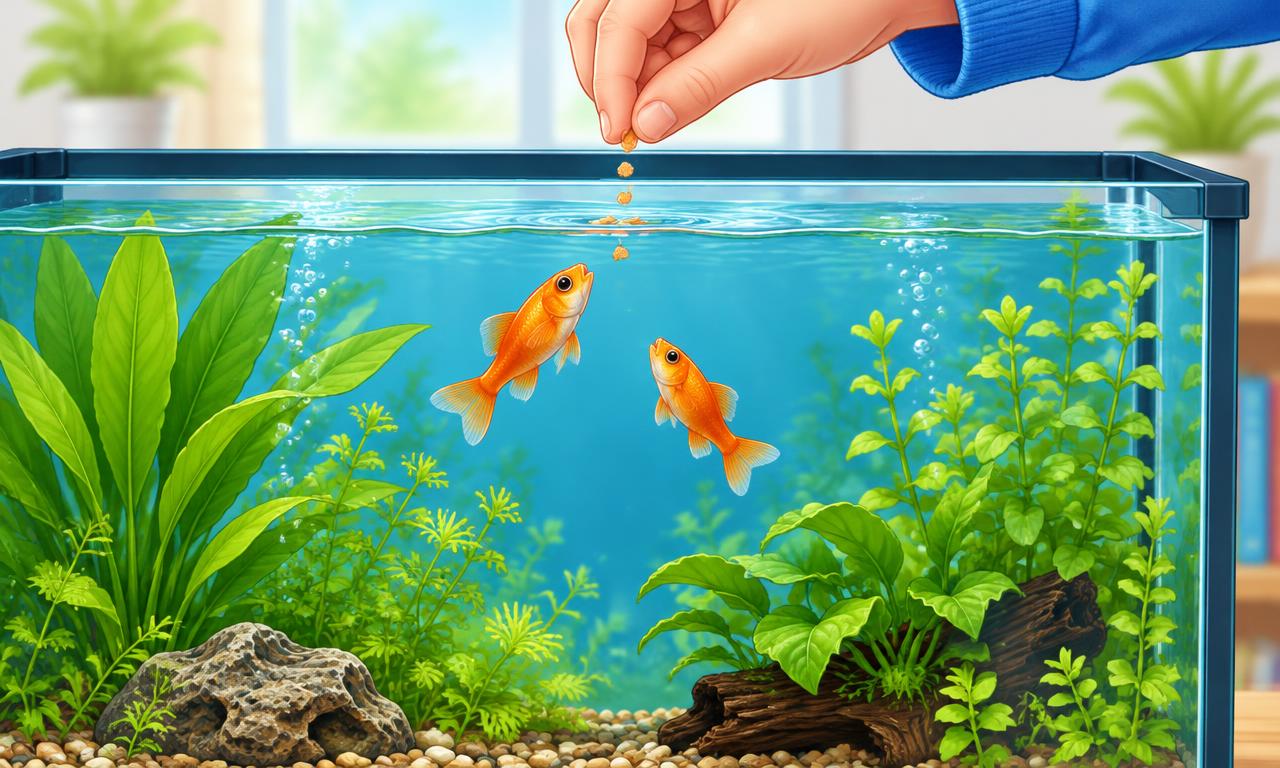
Fish need food to survive, grow, and stay healthy. Food provides the energy they use to swim, find shelter, explore their surroundings, and carry out the many jobs their bodies perform every day. However, fish do not all eat in the same way or on the same schedule. The amount of food a fish needs depends on its species, age, size, activity level, health, and the temperature of its water.
For many common aquarium fish, feeding once or twice a day is a good starting point. Some fish do better with smaller meals given more frequently, while others need to eat less often. The most important rule is to feed the particular type of fish appropriately rather than assuming that every fish needs the same amount of food.
Why Do Fish Need Food?
Like other animals, fish need nutrients to keep their bodies working properly. Food supplies energy, protein, fats, vitamins, and minerals. Each nutrient has a different job.
Protein helps fish build and repair body tissues. It is especially important for young fish that are growing. Fats provide concentrated energy, while carbohydrates can supply additional energy for some species. Vitamins and minerals help support healthy bones, tissues, organs, and other body functions.
Fish also need energy to maintain their bodies even when they appear to be doing very little. A fish resting among plants or hovering quietly in the water is still alive and using energy. Its heart is beating, its gills are working, and its body is carrying out essential processes.
A fish that does not receive enough appropriate food over time may become thin, weak, less active, or more likely to become ill. However, feeding too much can also cause serious problems. The goal is to provide enough nutritious food for the fish to remain healthy without leaving large amounts of uneaten food in the aquarium.
How Often Should Aquarium Fish Be Fed?
Many popular freshwater aquarium fish can be fed once or twice each day. For example, healthy adult guppies, platies, and many common community fish are often fed small meals once or twice daily.
However, this is a general guideline, not a rule for every species.
Some small, active fish may do well with several very small meals throughout the day. Young fish that are growing rapidly often need to eat more frequently than adults because they have high nutritional needs and smaller energy reserves. Certain fish that naturally graze on algae or other food sources may feed in small amounts throughout the day.
Other fish have different needs. Some larger predatory fish eat substantial meals less frequently. Certain bottom-dwelling fish search for food after the aquarium lights dim, so they may need to be fed at a different time from fish that are most active during the day.
Before deciding on a feeding schedule, an aquarist should learn about the natural feeding habits of each species in the aquarium.
Does a Fish's Age Affect How Often It Needs to Eat?
Yes. Age can make a significant difference in how often a fish should be fed.
Young Fish
Young fish are still developing their bodies. They may need more frequent meals than adults because they are growing quickly and cannot always consume a large amount of food at one time.
Very young fish, sometimes called fry, can have especially demanding feeding requirements. Depending on the species, they may need several small feedings throughout the day and food that is small enough for their mouths. Some newly hatched fish also rely on nutrients stored in a yolk sac before they begin eating external food.
The correct food is just as important as the feeding schedule. Food that is too large, difficult to digest, or nutritionally unsuitable may not provide what young fish need.
Adult Fish
Many healthy adult aquarium fish can maintain their condition on one or two appropriately sized meals per day. Because their growth rate is generally slower than that of young fish, they often do not need to eat as frequently.
Adult fish can still become underfed or overfed, however. Their feeding schedule must take into account their species, body condition, activity level, and the type of food they receive.
Older Fish
Older fish may have different nutritional needs depending on their species and health. Some remain active and eat normally, while others become less active or develop health problems that affect their appetite.
An older fish that suddenly stops eating should not automatically be assumed to be simply getting old. Poor water quality, stress, illness, unsuitable food, or competition from other fish may be responsible.
How Much Food Should You Give a Fish?
Knowing how often to feed a fish is only half the job. The amount of food matters just as much.
A useful starting point is to offer a small portion that the fish can eat within a short period, often about two to three minutes for many common aquarium fish. This is only a rough guide. Some species naturally eat slowly, some feed from the bottom, and others need special feeding arrangements. A slow eater should not automatically be considered underfed just because it takes longer than a few minutes to finish its food.
Watch what happens after food enters the aquarium. Do the fish notice it? Can they reach it? Are some fish eating while others are being pushed away? Does food drift into plants, settle behind decorations, or fall to the bottom uneaten?
These observations help an aquarist determine whether the portion is appropriate.
It is usually better to begin with a small amount and adjust carefully than to add a large amount in the hope that every fish will get enough. Extra food does not automatically make fish healthier. If they do not eat it, the food becomes waste.
Why Is Overfeeding Dangerous?
Overfeeding is one of the most common mistakes made by new fishkeepers. People often assume that fish are hungry whenever they approach the glass, follow a person around the aquarium, or swim excitedly when someone enters the room. In many cases, these behaviours are learned responses because the fish associate people with food.
A fish may beg for food even when it has already eaten enough. Its behaviour does not always provide a reliable measure of how hungry it is.
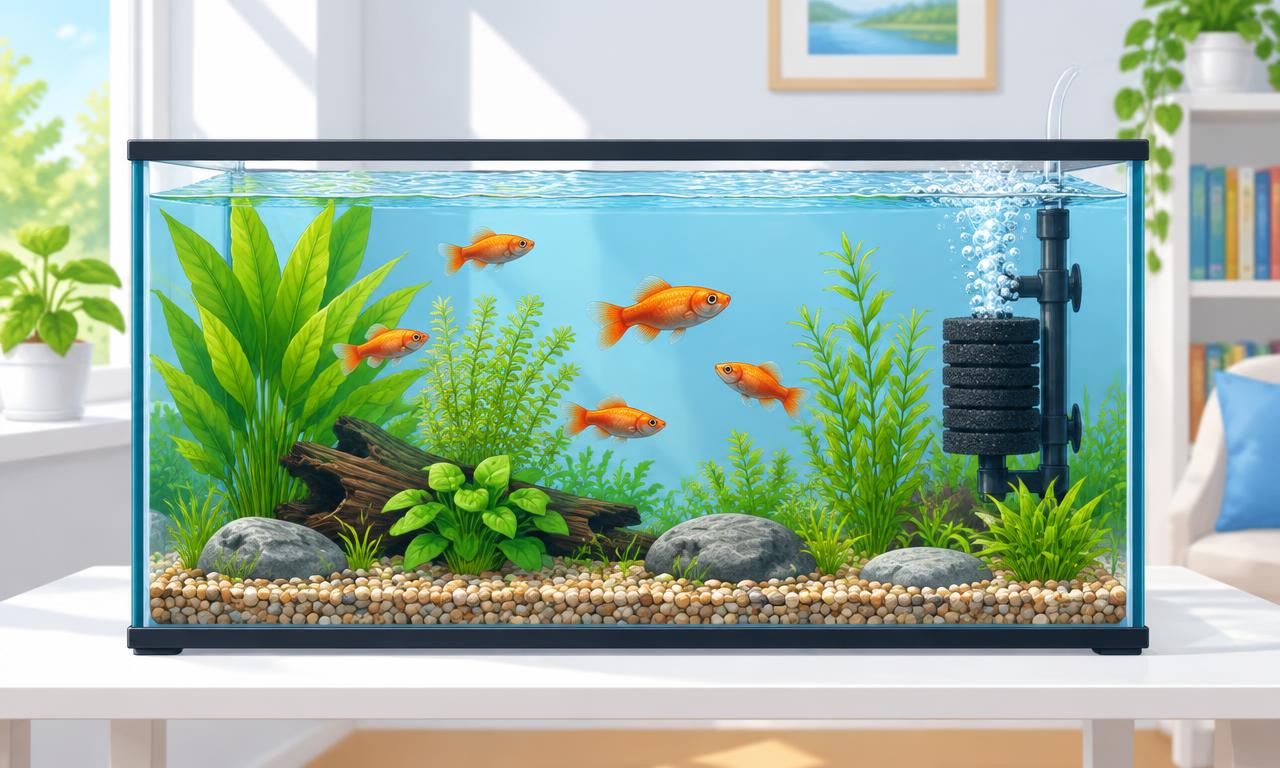
Uneaten food can break down in the aquarium. As it decomposes, it adds waste to the water and can contribute to increases in ammonia and other unwanted substances. Uneaten food and fish waste also place extra demands on the aquarium's biological filtration system.
In a well-established aquarium, beneficial microorganisms help process fish waste. However, an excessive amount of waste can overwhelm the system, especially in a small aquarium or one that is new or poorly maintained.
Poor water quality can stress fish, damage their gills, interfere with normal body functions, and sometimes cause death. Overfeeding may also contribute to cloudy water, unpleasant smells, and excess algae growth when nutrients accumulate.
Some fish can also develop health problems when they regularly consume more food than they need. The exact risks depend on the species, diet, and feeding conditions.
The aim is not to make the aquarium look full of food. The aim is to provide the right food in the right amount.
What Happens If You Forget to Feed Your Fish?
Forgetting one feeding is not usually a disaster for healthy adult aquarium fish. Many healthy adult fish can go a short period without food, although their ability to do so varies by species, age, health, and environmental conditions.
This does not mean that fish should regularly be left without food. Young fish, very small species, sick fish, and certain specialised species may need more frequent feeding. They can be more vulnerable to missed meals than healthy adult fish.
If you accidentally miss a feeding, do not try to make up for it by giving the fish a huge meal later. Simply return to the normal feeding schedule and provide an appropriate portion.
Fish should not be left without food for extended periods just because they can sometimes survive short fasts. Survival is not the same as receiving the nutrition needed to remain healthy.
Can You Feed Fish While You Are on Vacation?
Planning ahead is important when an aquarium owner goes away.
For a short absence, some healthy adult fish may be able to manage without food, depending on the species and their condition. However, the safest approach depends on the fish's specific needs. Young fish and species that require frequent feeding may need someone to care for them.
For longer absences, a trusted person can be shown how to feed the fish. It is helpful to prepare individual portions in advance and give clear instructions. This reduces the chance that a helper will accidentally pour too much food into the aquarium.
Automatic fish feeders can also be useful. These devices release food according to a schedule, but they must be set up and tested before the owner leaves. Some foods may become damp or clump together, and a feeder that releases too much food can create serious water-quality problems.
Special vacation-feeding blocks are not suitable for every aquarium. They may dissolve unpredictably or add unwanted material to the water. A fishkeeper should choose a feeding plan appropriate for the species rather than assuming that one product will work for every tank.
It is also important to remember that fish need more than food while their owner is away. Their aquarium must continue to have suitable water quality, temperature, filtration, and oxygen levels.
Do All Fish Eat the Same Food?
No. Fish have different dietary needs, and the correct feeding schedule depends partly on what they eat.
Some fish are primarily herbivores, meaning that much of their diet comes from plant material. Others are carnivores and eat animal matter. Omnivorous fish consume a mixture of plant and animal foods.
In nature, a fish might eat algae, aquatic plants, insects, insect larvae, small crustaceans, worms, or other fish. Aquarium foods are designed to provide nutrients in convenient forms, but no single food is ideal for every species.
Fish food is available as flakes, pellets, wafers, frozen foods, and other preparations. The best choice depends on the fish's mouth size, feeding behaviour, nutritional requirements, and where it normally finds food.
For example, a fish that feeds near the water's surface may prefer floating food. A bottom-dwelling fish may need sinking pellets or wafers. A fish with a small mouth may be unable to eat large pellets, even if the food itself is nutritious.
Feeding all the fish in a mixed aquarium can require extra attention. Fast-swimming fish may eat most of the food before slower fish have a chance to reach it. The aquarist must make sure that each species receives suitable food in a suitable amount.
Should Fish Be Fed at the Same Time Every Day?
A regular feeding routine can be helpful. Feeding at approximately the same times each day makes it easier to remember meals and observe whether the fish are behaving normally.
Fish may also learn to associate a particular time or movement near the aquarium with feeding. They may swim toward the front of the tank when their keeper approaches.
However, fish do not all need to eat at precisely the same minute every day. For many common aquarium fish, consistency matters more than following an exact clock.
A regular routine also makes changes in appetite easier to notice. If a fish that normally eats eagerly suddenly ignores its food, that change may be a warning sign.
A missed meal does not necessarily mean the fish is sick. It may be stressed, frightened, adjusting to a new environment, or simply not interested in the food offered. Nevertheless, a persistent loss of appetite deserves attention.
What If a Fish Refuses to Eat?
A fish that refuses food may be experiencing a problem. Possible causes include stress, poor water quality, an unsuitable water temperature, illness, bullying by other fish, or food that is unfamiliar or inappropriate.
Newly introduced fish may take time to settle into an aquarium. During this period, they may hide or eat less than usual. Fish that are being chased by tankmates may also avoid feeding because approaching the food makes them feel unsafe.
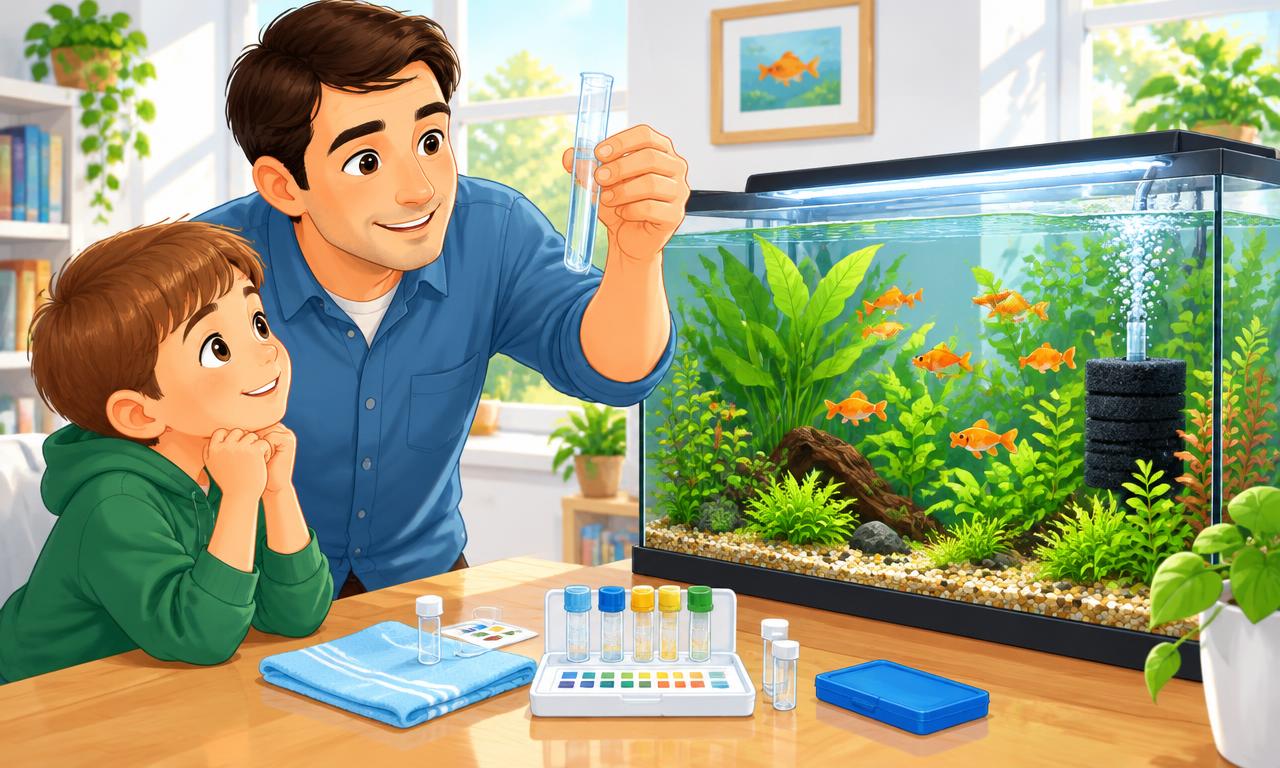
Water conditions should be checked when a fish stops eating. Important measurements can include ammonia, nitrite, nitrate, pH, and temperature. The appropriate ranges depend on the species being kept.
It is also worth checking whether the food is fresh and suitable for the fish. Old food can lose nutritional quality, while food that is too large or designed for a different kind of fish may be difficult to eat.
If a fish continues to refuse food, loses weight, becomes unusually inactive, breathes rapidly, develops visible sores, or shows other signs of illness, the problem should not be ignored. An experienced aquarist or aquatic veterinarian may be able to help identify the cause.
Adding extra food in the hope that the fish will eventually eat it can make matters worse by polluting the aquarium.
Can You Feed Fish Too Little?
Yes. Underfeeding can be harmful, just as overfeeding can be.
Fish that regularly receive too little food may lose body condition, grow poorly, become weaker, or develop nutritional deficiencies. Young fish may be particularly affected because they need nutrients to support growth and development.
However, a fish's body shape must be considered in relation to its species. Some fish naturally have slender bodies, while others are deeper-bodied or have rounded shapes. A fish should not be judged solely by whether it looks plump.
Observing normal behaviour, growth, appetite, and body condition can help a keeper recognise whether a feeding routine is working. Different species have different nutritional needs, so a schedule that works well for one fish may not be suitable for another.
Do Fish Need to Eat Every Day?
Many common aquarium fish are fed daily, but the answer depends on the species and its life stage.
Healthy adult fish that are appropriately fed may tolerate an occasional missed meal. Nevertheless, regular feeding is important for most aquarium fish, and some species require more frequent meals than others.
A fish's natural feeding habits can provide clues. Some species search for small amounts of food throughout the day. Others naturally consume larger meals when prey becomes available. Aquarium feeding should take these differences into account.
Fish also vary in how they respond to temperature. Many commonly kept tropical fish are ectotherms, meaning that their body temperature changes with their surroundings. Water temperature affects their metabolism, activity, digestion, and food requirements. When temperatures are unsuitable, a fish may become less active or stop eating. A reduced appetite caused by unsuitable water conditions should not be treated simply as a reason to change the feeding schedule.
Cold-water species also have temperature-related needs, so their feeding routine should be based on their species and actual conditions rather than on a general rule for tropical fish.
How Can You Tell Whether Your Fish Is Getting Enough Food?
There is no single sign that applies to every species, but several observations can help.
A fish that is receiving an appropriate diet will generally maintain a suitable body condition, behave normally for its species, and show a reasonably consistent appetite. Young fish should grow at an appropriate rate, although growth varies with species, temperature, and other conditions.
Watch each fish during feeding rather than looking only at the aquarium as a whole. A tank may appear busy with feeding activity even though one fish is receiving very little food.
Look for signs that some fish are being outcompeted, that food is repeatedly left uneaten, or that a fish's body condition is changing. Keep in mind that changes in appetite or appearance may also be caused by illness or water-quality problems.
Testing the water and keeping a simple record of feeding can help identify patterns. For example, a fishkeeper might record what food was offered, approximately how much was given, whether the fish ate it, and whether any food remained after feeding.
This information can be especially useful when caring for several species with different needs.
The Most Important Rule About Feeding Fish
There is no universal feeding schedule that is perfect for every fish. Many common adult aquarium fish do well with one or two small meals each day, but the correct routine depends on the species, age, diet, health, and aquarium conditions.
A responsible fishkeeper learns what the fish naturally eat, chooses appropriate food, provides suitable portions, and watches how the fish respond. Uneaten food should not be allowed to accumulate, and a fish that suddenly stops eating should be observed carefully.
Healthy fish need the right food in the right amount—not as much food as they will accept. A sensible feeding routine helps fish grow, remain active, and live in a cleaner, healthier aquarium.