What Should You Never Put in Aquarium Water?
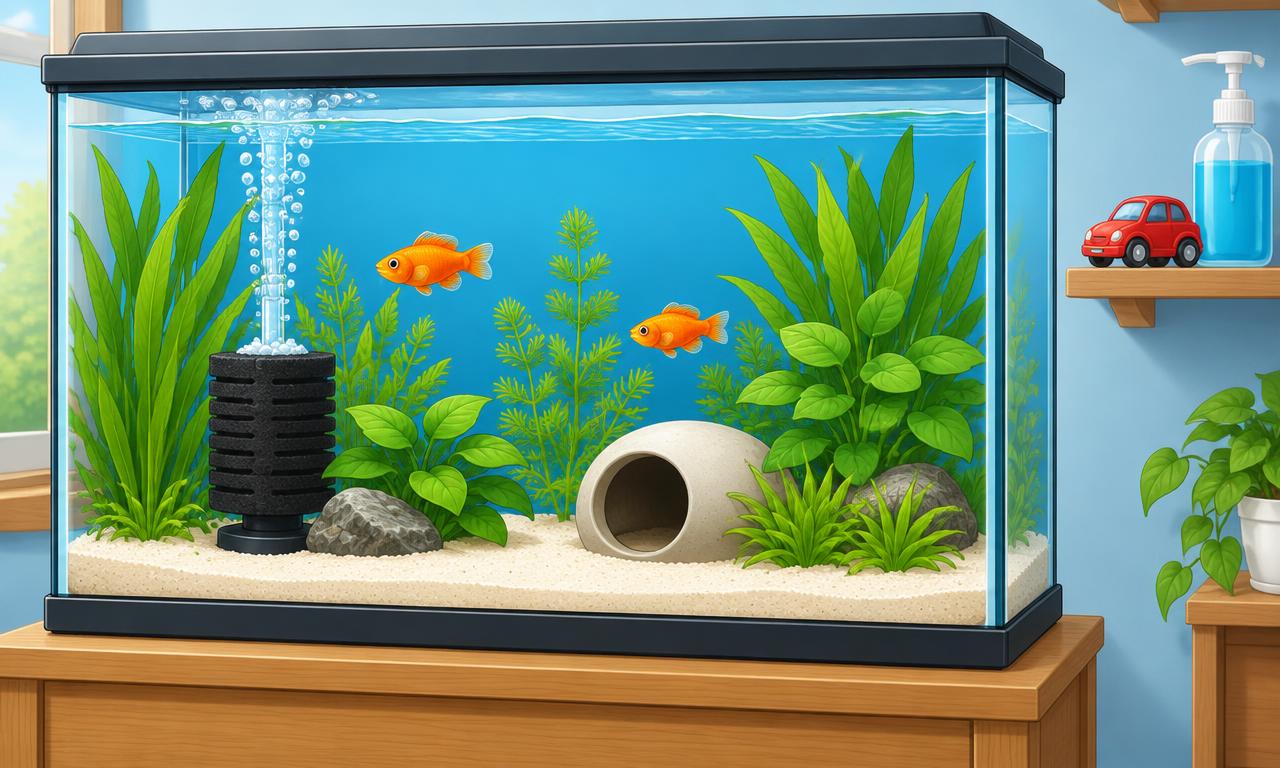
An aquarium may look like a small underwater world, but it is actually a carefully balanced environment. Fish, plants, beneficial bacteria, and other tiny organisms all depend on the water being safe and clean. Even a small amount of the wrong substance can upset this environment and make fish seriously ill.
Something that is perfectly safe for people, household pets, or even garden plants may be dangerous to fish. Fish absorb oxygen and other substances through their gills, and many chemicals can enter their bodies directly from the water. Some substances damage their gills, interfere with their nervous systems, affect their ability to breathe, or poison them.
For this reason, aquarium owners must be extremely careful about what goes into the water. Only substances known to be safe for aquariums and appropriate for the particular fish should be added.
1. Soap and Detergent
Soap and detergent should never be added to an aquarium. This includes dishwashing liquid, laundry detergent, hand soap, shampoo, bubble bath, and household cleaning products.
These products contain chemicals called surfactants. Surfactants help water spread across surfaces and remove grease and dirt. Although they are useful for cleaning dishes and clothing, they can be extremely harmful to aquatic animals.
Soap and detergent can damage the protective surfaces of a fish's gills. Gills are delicate organs that allow fish to take oxygen from the water. If the gills are damaged, a fish may struggle to breathe.
Even a small amount of soap left on a hand, bucket, sponge, or cleaning tool can contaminate aquarium water. This is why aquarium equipment should never be washed with ordinary household soap.
Important: Never use a bucket, sponge, or container that has previously held soap, detergent, or household cleaning chemicals for aquarium maintenance.
2. Household Cleaning Products
Household cleaning products are designed to kill germs, remove stains, and disinfect surfaces. They are not designed for use in an aquarium.
Dangerous products include:
- Bleach
- Bathroom cleaners
- Toilet bowl cleaners
- Window cleaners
- Disinfectant sprays
- Floor cleaners
- Drain cleaners
- Oven cleaners
- Multipurpose cleaning sprays
Many of these products contain strong chemicals that can poison fish. Some can damage the gills and skin, while others can destroy beneficial bacteria living in the aquarium filter.
Beneficial bacteria are extremely important. They help break down harmful waste produced by fish and leftover food. Without enough of these bacteria, toxic substances such as ammonia can build up in the water.
Even cleaning spray drifting through the air can be a concern if it settles on the aquarium water. Aquarium owners should avoid spraying household chemicals near an uncovered tank.
3. Perfume, Deodorant, and Hair Products
Perfume, deodorant, hairspray, hair gel, lotion, sunscreen, and other personal-care products should never be sprayed or poured into an aquarium.
These products contain mixtures of chemicals, fragrances, oils, alcohols, and other ingredients. Some may be harmful to fish even in very small amounts.
For example, hairspray can contain solvents and propellants. Lotions and sunscreen may contain oils and other ingredients that are not suitable for aquatic environments.
A person should avoid spraying perfume or hairspray directly beside an open aquarium. It is also a good idea to wash and rinse hands thoroughly before putting them into the water, especially after applying lotion, sunscreen, hand cream, or other products.
The safest approach is to keep personal-care products away from the aquarium altogether.
4. Paint, Glue, and Other Craft Supplies
Paint, glue, ink, varnish, and other craft materials should never be poured into aquarium water.
Many paints contain pigments, preservatives, solvents, or other chemicals. Some glues contain ingredients that can release harmful substances into the water. Permanent markers, paint markers, and inks can also contain chemicals that are unsafe for fish.
This is particularly important when decorating an aquarium.
Not every object that looks attractive underwater is safe to use. A painted ornament, plastic toy, or handmade decoration may release chemicals into the water as it sits there.
Decorations should be specifically designed for aquarium use or made from materials known to be safe for aquatic environments. Items should not have loose paint, sharp edges, or materials that can dissolve or break apart in water.
5. Metal Objects and Rusting Materials
Ordinary metal objects should not be placed in an aquarium unless they are specifically known to be aquarium-safe.
Some metals can dissolve into the water in tiny quantities. These dissolved metals may be toxic to fish and other aquatic organisms.
Copper is particularly important because it can be harmful to fish and many invertebrates, including shrimp and snails. Other metals, such as zinc and lead, can also cause serious problems.
Rusting objects are another concern. A rusty nail, old screw, metal toy, or piece of scrap metal does not belong in an aquarium.
Aquarium equipment should be made from appropriate materials that will not corrode or release harmful substances into the water.
6. Food Meant for People
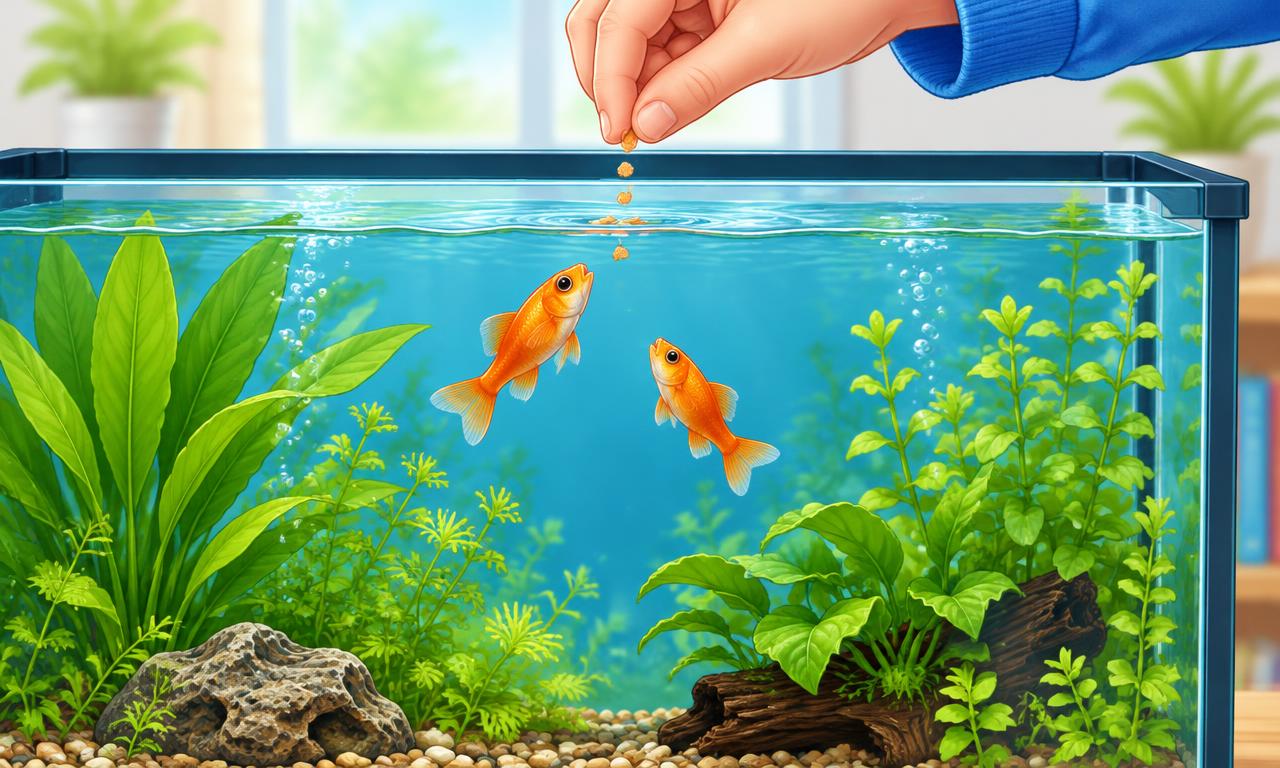
It may seem kind to share a little of your lunch with a pet fish, but ordinary human food is generally not suitable for aquarium fish.
Bread, crackers, cheese, cookies, chips, cereal, and leftovers should not be used as regular fish food.
These foods may contain salt, sugar, oils, seasonings, preservatives, and other ingredients that fish do not need. Some foods can also break apart quickly, making the water dirty.
Bread is a particularly poor choice. It can swell and break apart in water, leaving particles behind that decompose and contribute to pollution.
Fish need food that provides the nutrients appropriate for their species. Commercial aquarium foods are made for different types of fish, and some species also need specially prepared fresh, frozen, or plant-based foods.
A fish should not be given something simply because it is edible to a person.
7. Too Much Fish Food
Fish food belongs in an aquarium, but too much of it can be dangerous.
When fish cannot eat all the food provided, the leftovers sink to the bottom, become trapped in decorations, or float around the tank. As the food decomposes, it adds waste to the water.
This waste can contribute to rising ammonia levels. Ammonia is a toxic substance that can damage fish gills and harm their health.
Excess food can also encourage unwanted algae growth and make the water cloudy or unpleasant.
An aquarium owner should provide appropriate portions and remove uneaten food when necessary. Giving fish more food does not make them healthier.
8. Outdoor Plants, Leaves, and Garden Materials
It may seem natural to place leaves, flowers, grass, twigs, or other outdoor materials into an aquarium. However, these items can introduce unwanted substances and organisms.
Outdoor plants may have been exposed to:
- Pesticides used to kill insects.
- Herbicides used to control weeds.
- Fertilizers used to encourage plant growth.
- Road salt and other environmental pollutants.
- Bacteria, parasites, and other microorganisms.
Even a plant that looks perfectly healthy may have been treated with chemicals.
Some natural materials can be used safely in aquariums, but they must be selected and prepared correctly. For example, certain aquarium-safe leaves and pieces of driftwood are used by experienced fishkeepers. They are not interchangeable with random leaves or branches collected outside.
Natural does not automatically mean safe.
9. Garden Fertilizers and Pesticides
Garden fertilizers and pesticides should never be added to an aquarium unless a product is specifically formulated and labelled for the intended aquarium use.
Fertilizers are designed to provide nutrients to plants. However, the nutrients and chemicals in ordinary garden products may be harmful to fish when introduced into a small aquarium.
Pesticides are especially dangerous. They are designed to kill or control living organisms, such as insects. Some can also be highly toxic to fish, shrimp, snails, and other aquatic animals.
Even small amounts of pesticide contamination can cause serious harm.
Aquarium owners who keep live aquatic plants should use only suitable aquarium plant fertilizers, following the instructions and considering the needs of their fish and other inhabitants.
10. Medicines Meant for People or Other Animals
Human medicines should never be added to an aquarium as a way of treating fish.
Painkillers, antibiotics, cold medicines, vitamins, and other medications are made for particular animals and specific uses. Their ingredients and concentrations may be harmful to fish.
A medicine intended for a dog or cat should not automatically be considered safe for a fish either.
There are medications specifically designed to treat certain fish diseases. However, these should only be used when appropriate for the fish and the problem being treated. Some treatments can also affect beneficial bacteria, aquarium plants, shrimp, snails, and other tank inhabitants.
If a fish appears sick, the owner should identify the likely problem and seek reliable advice before adding medication.
11. Salt Without Knowing Whether It Is Safe
Salt is sometimes used in fishkeeping, but that does not mean that any kind of salt can safely be added to any aquarium.
Different fish species have different tolerances for salt. Some naturally live in freshwater, some live in saltwater, and others spend parts of their lives in water with changing salinity.
Ordinary table salt may also contain additives, such as anti-caking agents or iodine.
Aquarium salt and marine salt are different products with different purposes. Marine salt is used to prepare saltwater for marine aquariums. Aquarium salt may be used in certain freshwater situations, but it is not necessary for every freshwater fish.
Adding salt without understanding the needs of the fish can cause stress and harm.
12. Too Much Water Conditioner or Other Aquarium Chemicals
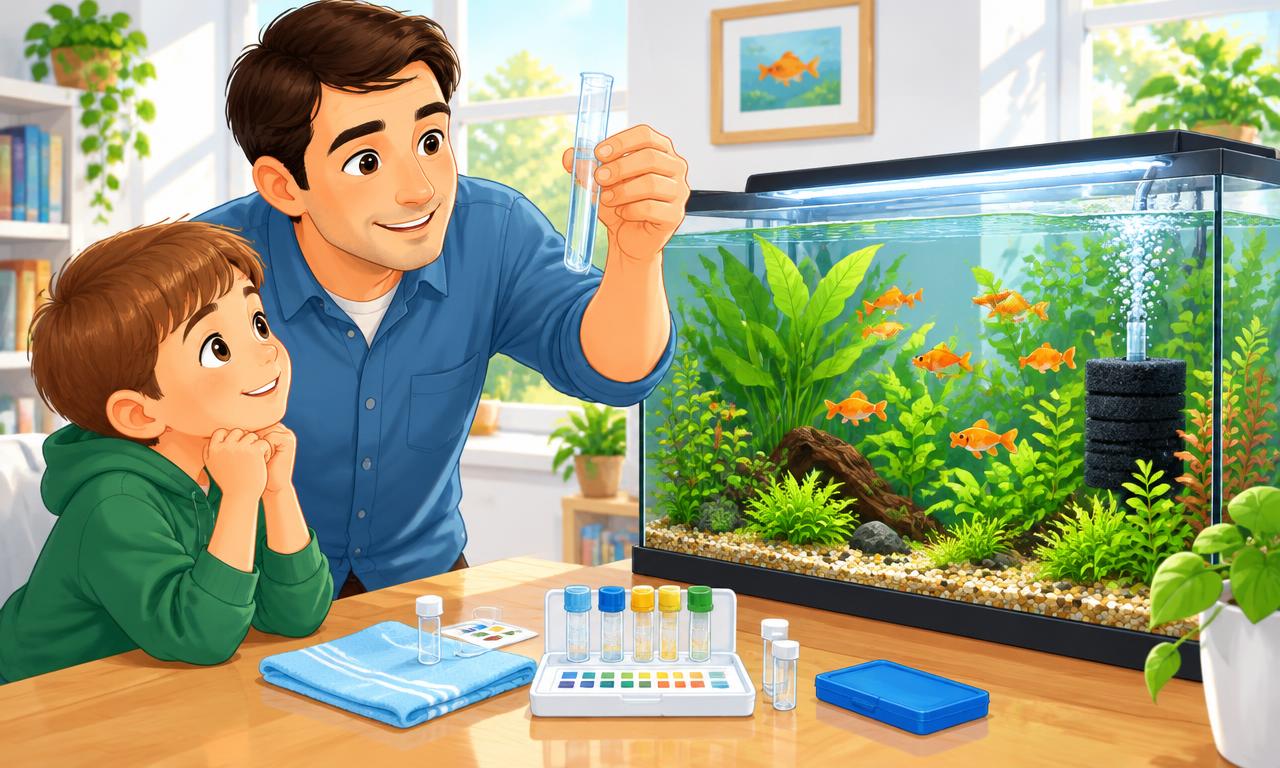
Water conditioners and aquarium treatments are made to help keep fish safe, but they must be used according to their instructions.
For example, tap water often contains chlorine or chloramine, which are added by water-treatment facilities to make drinking water safe for people. These substances can harm fish. A suitable aquarium water conditioner is used to make tap water safe before it is added to the tank.
However, adding much more conditioner than recommended is not a good way to make water extra safe.
The same principle applies to pH-adjusting products, algae treatments, plant fertilizers, and medications. Using too much can create problems, even when the product is intended for aquarium use.
Never assume that a larger dose will produce a better result.
13. Tap Water That Has Not Been Treated
Tap water is commonly used in home aquariums, but it should not automatically be poured straight into a fish tank.
Municipal water supplies often contain chlorine or chloramine to kill harmful microorganisms. Although these chemicals make water safer for people, they can damage the delicate gills of fish and harm beneficial bacteria.
A suitable water conditioner should be used to neutralize these disinfectants before the water enters the aquarium.
Water temperature should also be checked. Adding water that is much colder or warmer than the aquarium can cause temperature shock and stress the fish.
Water can also contain minerals and other substances that affect its suitability for particular species. Some fish need softer water, while others prefer harder water.
A responsible fishkeeper learns about the water requirements of the fish being kept and tests the water when necessary.
14. Random Rocks, Shells, and Beach Materials
Rocks, shells, sand, and driftwood can make an aquarium look beautiful, but not every natural object is suitable.
Some rocks contain minerals that dissolve into the water and change its chemistry. Certain types of rock can raise water hardness or pH, which may be unsuitable for some freshwater fish.
Beach materials may also contain salt, pollutants, decaying organic matter, or unwanted organisms.
Shells are made largely of calcium carbonate. They can gradually dissolve and affect water hardness and pH. This may be useful in some situations, but it is not appropriate for every aquarium.
Never collect an attractive rock or shell and assume that it is safe simply because it came from nature. Aquarium owners should use materials that have been identified as suitable for their particular aquarium.
15. Objects That Can Break Apart or Release Chemicals
Children sometimes enjoy adding toys, marbles, plastic decorations, and other small objects to an aquarium. However, ordinary household objects may not be designed to remain underwater.
Some plastics can release unwanted chemicals. Rubber objects may soften or break down. Painted toys may lose their coating, while objects with glued parts may come apart.
Small objects can also create physical dangers. Fish may become trapped in openings, injured by sharp edges, or unable to swim freely.
Aquarium decorations should be made from materials suitable for long-term underwater use. They should also be large enough and shaped appropriately for the fish being kept.
A decoration should never be added just because it looks interesting.
What Should You Do If Something Dangerous Gets Into the Aquarium?
Accidents can happen. A child might drop a toy into the tank, a cleaning product might splash into the water, or someone might accidentally use a contaminated bucket.
If a potentially harmful substance enters the aquarium, act quickly.
- Remove the source. Take out the object or material if it can be removed safely.
- Identify what entered the water. Knowing the substance helps determine the danger and the correct response.
- Seek appropriate advice immediately. Contact an aquatic veterinarian or an experienced aquarium professional, especially if the substance is a household chemical, pesticide, or medication.
- Prepare for a water change if advised. A partial water change using properly conditioned, temperature-matched water may help reduce contamination. The correct response depends on the substance involved.
- Watch the fish carefully. Look for unusual swimming, rapid breathing, loss of balance, excessive mucus, or other signs of distress.
Do not add another chemical to the aquarium in an attempt to cancel out an unknown substance. Mixing chemicals can sometimes make the situation worse.
For serious contamination, professional guidance is important. Some substances may require specialised treatment or removal of contaminated materials.
A Simple Rule for Children: If You Wouldn't Put It in a Fish's Home, Don't Put It in the Water!
An aquarium is not a swimming pool, a bathtub, or a container for experimenting with different substances. It is the home of living animals that depend on clean, carefully maintained water.
Fish cannot leave their aquarium when something dangerous enters it. They cannot choose a different place to breathe, and they cannot tell their owner that the water has become unsafe.
That is why fishkeepers must be responsible for everything that goes into the tank.
Soap, cleaning chemicals, perfume, paint, glue, pesticides, unsuitable food, untreated tap water, and random household objects can all create problems. Even aquarium products must be used correctly.
The safest habit is simple: Never put anything into an aquarium unless you know it is safe for the fish and appropriate for that particular tank.